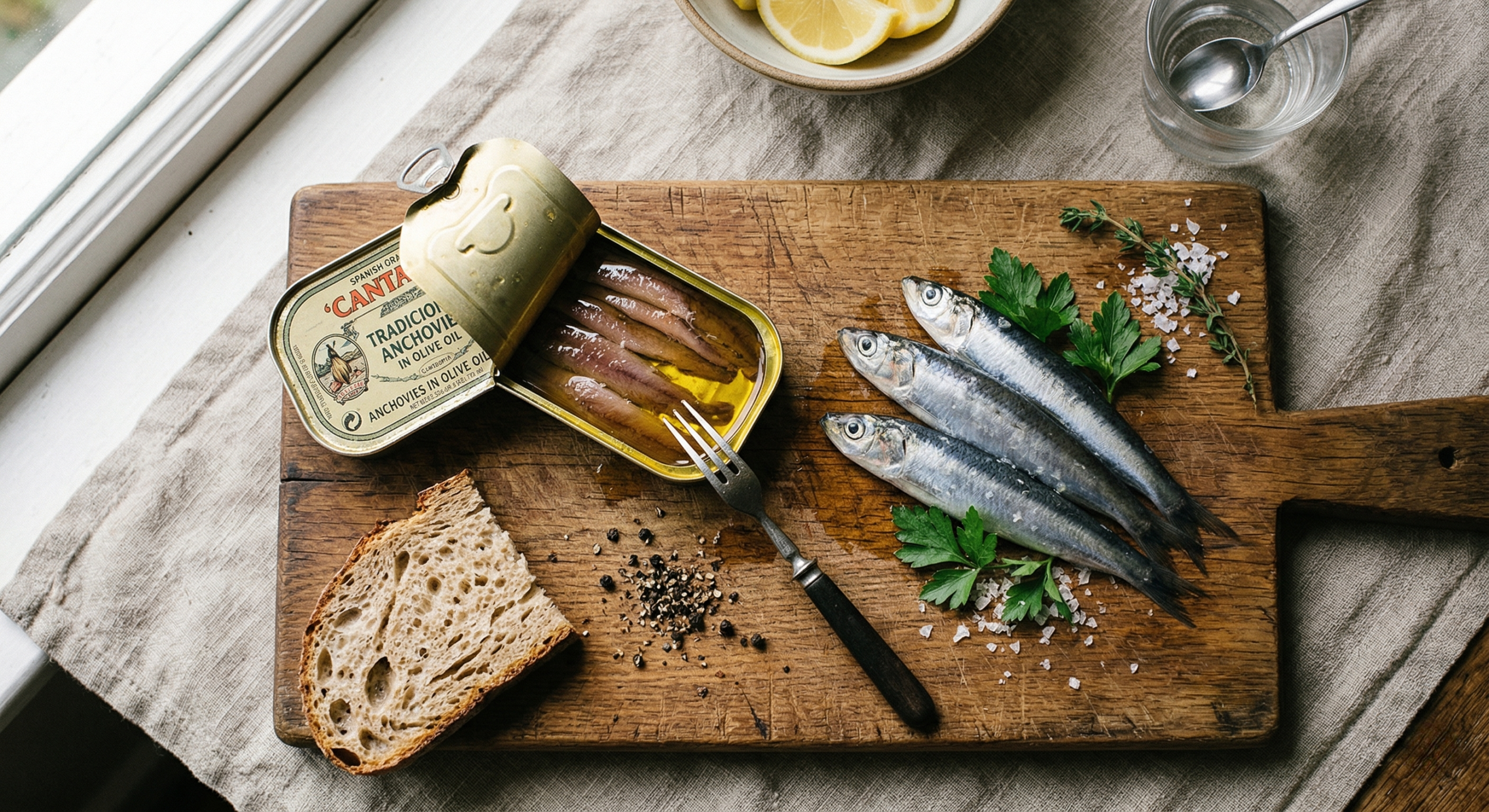
Anchovies: Nutrition, Health Benefits, & How to Cook Them
Anchovies: Nutrition, Benefits, Downsides, and More
Many people have walked by a can of anchovies. Some people, hearing the word “anchovies,” make a face. The truth is that anchovies are one of the most underrated items in a grocery store. Once you understand them, that small can of anchovies can become one of the most valuable items in your kitchen.
This guide will provide information on anchovies, including the full nutritional breakdown, the health benefits of anchovies, the ways to incorporate anchovies into cooking, and the downsides of anchovies. No fluff. Just the clear and useful information.
What Are Anchovies?
Anchovies are small, oily saltwater fish. They are usually between 5 and 20 centimeters long and are found mainly in the Mediterranean Sea, the Atlantic Ocean, and parts of the Pacific. They swim in large schools near the surface and feed on tiny sea creatures called plankton.
The anchovies you find in shops are almost always preserved — packed in salt, stored in oil, or turned into a paste. This preservation process is what gives them their strong, salty, deeply savory flavor. Fresh anchovies do exist and taste much milder, but they are hard to find unless you live near the coast.
What Do Anchovies Taste Like?
There are a lot of different answers to this question, but if we focus on store-bought canned anchovies, they are soft, rich, and very salty. Due to a long process of curing, the proteins in the fish break down into different compounds, one of which is called “glutamate” They are responsible for the rich umami flavor of food. Anchovies are extremely rich in glutamates.
Nutritional Profile of Anchovies
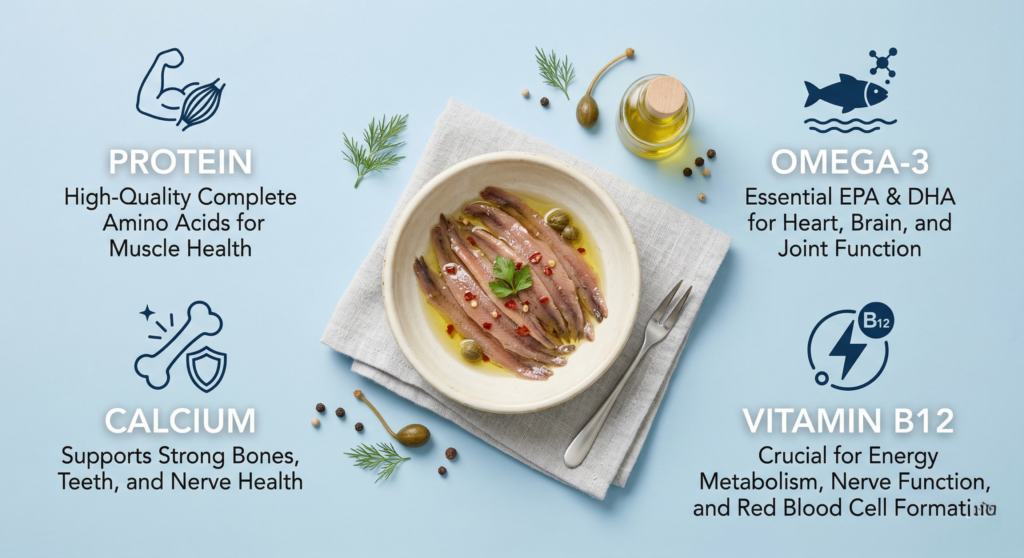
Anchovies are one of the most nutrient-dense foods you can eat. Here is what you get per 100g of canned anchovies in oil:
| Nutrient | Per 100g | Why It Matters |
| Protein | ~29g | Builds muscle, keeps you full |
| Omega-3 Fatty Acids | ~2g | Heart and brain health |
| Calcium | 232 mg | Strong bones and teeth |
| Iron | 4.6 mg | Fights tiredness and anemia. |
| Vitamin B12 | 3 mcg | Energy and nerve function |
| Selenium | 36.5 mcg | Immune system and antioxidant |
| Calories | 210 kcal | Moderate — not a heavy food |
| Sodium | Very high | Watch if managing blood pressure |
Key Micronutrients Worth Knowing About
Anchovies are a great source of vitamin B12. In fact, just a few of them can fulfill your entire daily requirement, which is essential for someone who doesn’t consume meat regularly. They also contain a lot of selenium, which is a natural antioxidant, which means it protects your cells from daily wear and tear and helps fortify your immune system.
If you are trying to hit your daily protein goals, anchovies are great to mix with other high-protein foods, as they require very little effort.
Benefits of Eating Anchovies
May Improve Heart Health
Anchovies are rich in omega-3 fatty acids — the healthy fats your heart genuinely needs. Omega-3s help reduce inflammation throughout the body. lower bad cholesterol levels and may reduce the risk of heart disease over time.
Rich Source of Protein
With around 29g of protein per 100g, anchovies are one of the most protein-rich foods available. Protein helps you build and repair muscle. keeps hunger at bay for longer and supports a healthy metabolism. Unlike many other what foods are high in protein anchovies are cheap, tiny, require no preparation, and can be added to almost anything.
If you are someone who builds high-protein meals and snacks throughout the day—think along the lines of breakfasts like raspberry lemon cheesecake overnight oats or protein-packed comfort meals—anchovies can be a useful and flavorful addition that bumps up your totals without much effort.
Other Potential Benefits
Anchovies are an excellent source of calcium. Calcium aids in the development of strong bones and teeth. Anchovies are also a good source of iron. This mineral is essential for the production of red blood cells. Selenium is also present in anchovies. This mineral helps protect the cells of the body from damage. Finally, anchovies are a natural whole food with no additives.
Anchovies in Cooking — How to Use Anchovies
Anchovies are some of the most flexible products you can have in your home. And you don’t have to consume them right from the can. The following offers the finest ways to use anchovies:

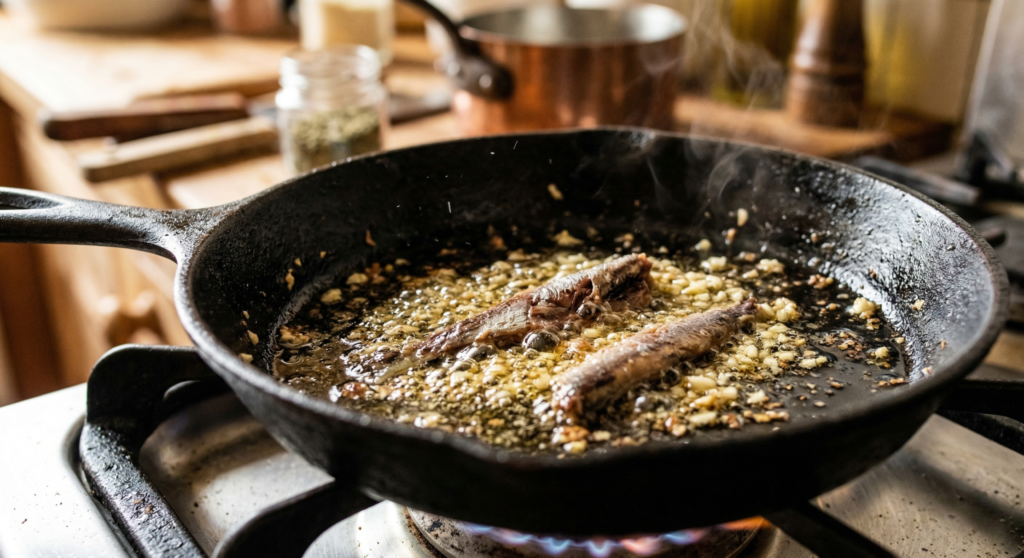
- Saucy Pastas: Melt two or three fillets in olive oil at the very start of cooking your pasta sauce. They dissolve in under a minute, and the whole dish has an incredible depth of flavor.
- More Flavorful Meat: Rub anchovy paste onto lamb, beef, or chicken before roasting. The fishy taste completely disappears, and the meat becomes deeply savory and rich.
- Pizza, Obviously: Regarding the traditional use of anchovies, put the fillets on the pizza before it goes into the oven. They pair excellently with capers, olives, and mozzarella. For the more daring, anchovies also work wonderfully as a topping with deep-fry pasta chips as part of a crispy appetizer or snack platter.
- Make a Butter: Mix softened butter with mashed anchovy fillets, garlic, and parsley. Chill it, slice it, and melt it over a hot steak or grilled fish. It is outstanding.
- Punchy Snacks: Take a whole fillet and put it on a cracker with a little cream cheese and a cucumber slice. Pretty easy and quick, and surprisingly nice.
Favourite Family Recipe: Rainbow Chard, Butter Bean, Anchovy and Avocado Salad
This is one of the best anchovy recipes for people who are new to them. The anchovies go into the dressing — they add all the saltiness you need and completely disappear. The result is a bright, filling, nutritious salad that does not taste like fish at all.
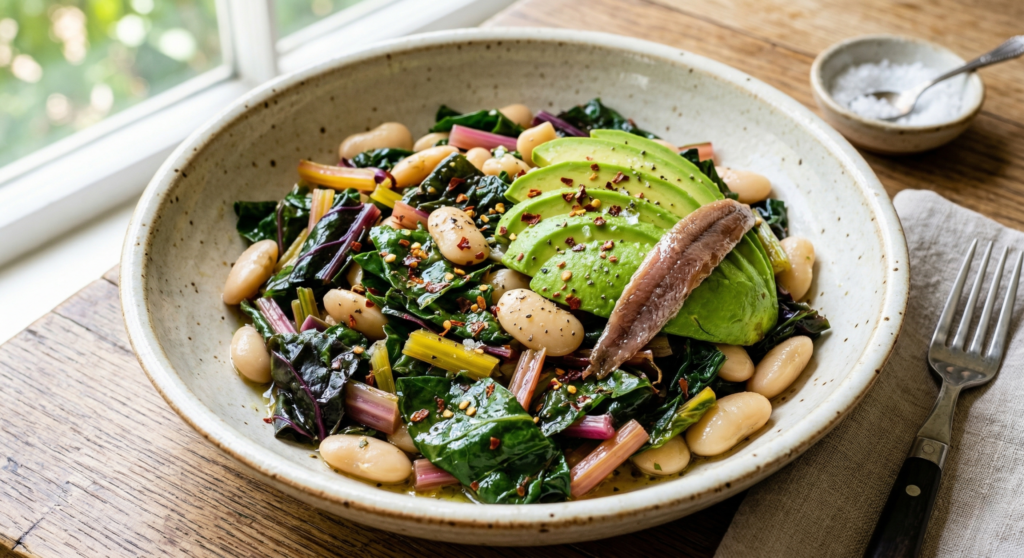
Ingredients (serves 2):
- 1 bunch rainbow chard, washed and roughly chopped
- 1 can butter beans, drained and rinsed
- 1 ripe avocado, sliced
- 4 anchovy fillets from a tin
- 2 tbsp olive oil and 1 tbsp lemon juice
- 1 clove garlic, crushed
- Black pepper and chilli flakes to taste
Method:
- Lightly sauté the chard in olive oil until just wilted—about 2 to 3 minutes.
- Mash 2 anchovy fillets with the garlic, olive oil, and lemon juice to make the dressing.
- Toss the chard and butter beans through the dressing.
- Top with sliced avocado and the remaining 2 anchovy fillets.
- Finish with chili flakes and serve warm or at room temperature.
Does Caesar Salad Have Anchovies?
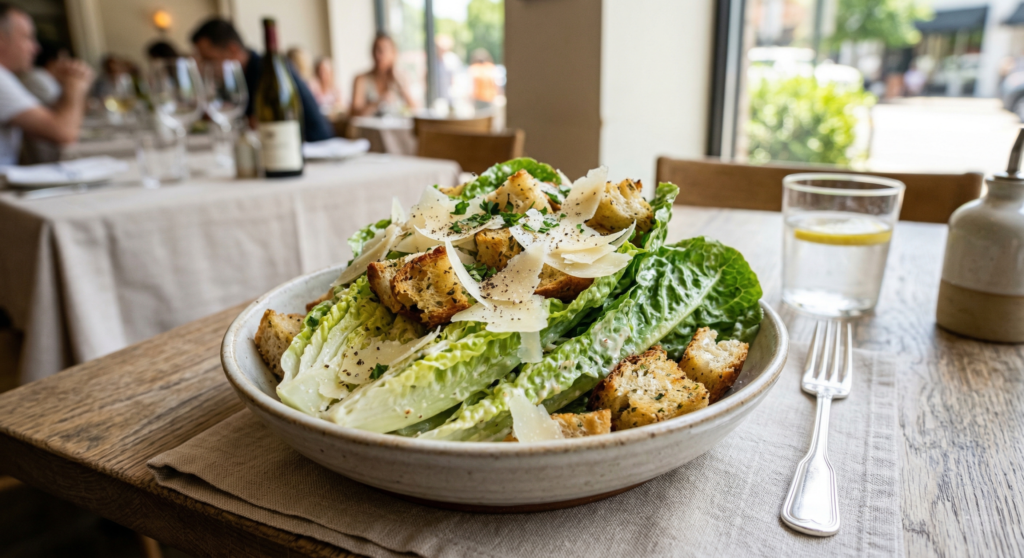
Yes — traditionally, it does. The true recipe for Caesar dressing uses anchovy fillets, and that is what gives the dressing that unique salty, deep, savory, and rich flavor. Most people do not mind because the anchovies are completely blended into the dressing and completely invisible in the final salad.
Potential Downsides of Anchovies
Anchovies are a genuinely healthy food, but there are a few things worth knowing before you make them a regular part of your diet.
- Fish allergy: Anchovies are fish. Anyone with a fish allergy should avoid them—and also check the labels on sauces, dressings, and ready meals where anchovies are often a hidden ingredient.
- Not vegetarian or vegan: If you are following a plant-based diet, see the substitutes section above for alternatives that replicate the function of anchovies.
- Gout: Anchovies are high in purines, which can trigger gout flare-ups in people who are prone to it.
- Recipe Ideas — More Ways to Eat Anchovies
If you are looking for easy ways to get anchovies into your meals more often, here are some quick ideas:
Anchovies work well in shareable snack boards alongside comfort foods. If you are building a spread for guests, crispy deep fry pasta chips alongside some anchovy dipping options is a combination people genuinely do not expect but always enjoy.
For those who love to batch cook and meal prep, anchovies pair well with protein-rich dishes that keep well in the fridge. Comfort dishes like funeral potatoes can be made more nutritionally complete by serving them alongside anchovy-dressed salad greens—the saltiness of the anchovies cuts through the richness of the potatoes perfectly.
And if you enjoy sweet, protein-packed breakfasts alongside your savory cooking, dishes like raspberry lemon cheesecake overnight oats make a great morning balance to an anchovy-heavy dinner the night before. Even something fun like learning how to make marshmallow fluff with marshmallows for a dessert works as a lovely contrast to a savory anchovy-based main course.
Are Anchovies Healthy?
Yes, genuinely. Anchovies are one of the most nutritionally complete fish you can eat. High in protein, rich in omega-3 fatty acids, packed with vitamin B12, and containing good amounts of calcium, iron, and selenium. They are low in calories and naturally low in mercury because they are small fish with short lifespans.
Frequently Asked Questions About Anchovies
Are anchovies healthy to eat regularly?
Yes, anchovies are very healthy. They are packed with protein, omega-3 fats, and vitamin B12. They are also low in mercury, so you can eat them regularly without worry
Why do anchovies taste so strong and salty?
Because they are cured in salt for months before being packed in tins. This long process breaks down the proteins and creates that deep, rich, umami flavor.
Tin or jar—Which anchovies should I buy?
For everyday cooking, a tin works perfectly fine. If you want better quality—bigger fillets, softer texture, cleaner taste—go for a jar. Simple rule: a tin for sauces and pasta and a jar for eating straight or special dishes.
Can I use anchovies if I don’t like fish?
Yes. When you melt 1 or 2 fillets into hot oil while cooking, they completely dissolve. No fishy smell, no fishy taste—just a deep, rich savoriness that makes the whole dish taste better.
How do I store anchovies after opening?
Never leave them in the opened tin. Transfer to a small glass jar, cover with olive oil, seal, and refrigerate. They stay fresh for up to 2 months. Anchovy paste in a tube lasts 3 to 4 months in the fridge after opening.
The Bottom Line
Anchovies are one of those rare foods with the unique quality of being inexpensive, highly nutritious, and dramatically improving a recipe. They give a dish that ‘real effort’ flavor. Just one small tin of anchovies can elevate a pasta sauce, a salad dressing, a roast, or even an unsophisticated cracker.
Fish are not the dominant, intimidating fish they are portrayed as. When used correctly, they blend into your food and almost leave behind a flavor. They give food a sense of fullness and enhance the taste of every dish.