Sushi Rice Recipe: How to Make Perfect Sushi Rice at Home
Perfect Sushi Rice
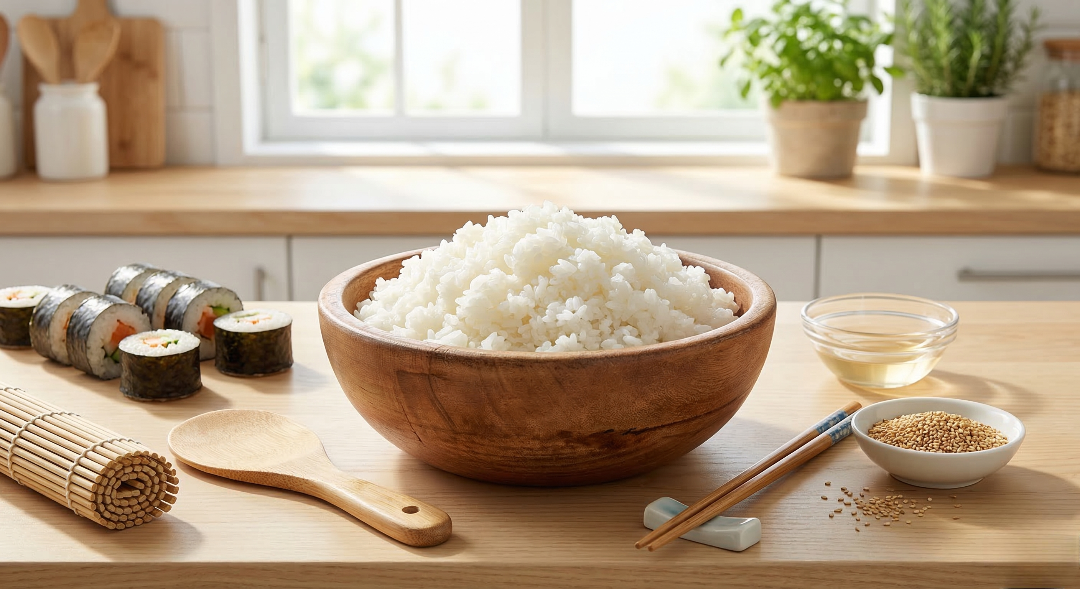
If you want looking to sushi at home, the first thing you need to get right is the sushi rice recipe. Great sushi is not just about salmon, avocado, or seaweed. It starts with rice that is soft, glossy, lightly seasoned, and sticky enough to hold together without turning mushy.
A lot of people think sushi rice is difficult, but it is actually quite simple once you know the basics. With the right rice, the right water ratio, and the right seasoning mix, you can make perfect sushi rice in your own kitchen without special equipment. This guide will walk you through everything in a very easy way, even if this is your first time making it.
This article also answers common questions people have, like what kind of rice works best, how to season it properly, and what you can do with leftover sushi rice. If you care about good food, enjoy learning new kitchen basics, and want a reliable healthy food recipe to build meals around, this guide is for you.
What Is Sushi Rice?
Sushi rice is Japanese short-grain rice that is cooked and then seasoned with a mixture of rice vinegar, sugar, and salt. The result is rice that is slightly tangy, lightly sweet, and sticky enough to shape into rolls, bowls, or hand-pressed sushi.
Many people think sushi rice means any rice used in sushi, but it is more specific than that. The type of rice matters, and the seasoning matters too. Plain cooked rice is not the same thing as sushi rice. What makes it special is the balance of texture and flavor.
A good sushi rice recipe gives you rice that is:
- tender but not mushy
- sticky but not gummy
- seasoned but not overpowering
- easy to shape and pleasant to eat
It is the foundation for many Japanese-style dishes, and it can also be used in modern bowls and meal prep ideas.
What’s the Best Rice For Sushi?
The Japanese short-grain rice is considered to be the best rice for. This type of rice has the right amount of starch, which helps the grains stay together after cooking. That sticky texture is exactly what you need when making sushi rolls, nigiri, or sushi bowls.
You can also use medium-grain rice in some cases, but short-grain rice is the best choice if you want the most authentic texture.
Here is what to look for:
- Japanese short-grain white rice
- packages labeled “sushi rice”
- rice with plump, slightly rounded grains
Try to avoid these for a classic sushi rice recipe:
- basmati rice
- jasmine rice
- long-grain rice
- brown rice, unless you want a different texture
Long-grain rice stays too separate and dry. It may taste good in other meals, but it does not give that classic sushi feel.
If you want better texture, rinse the rice well before cooking. This removes extra surface starch and helps the rice cook more evenly. It also keeps the final result from becoming too heavy or clumpy.
Sushi Rice Seasonings
The seasoning is what turns plain cooked rice into sushi rice. The classic mixture is made with:
- rice vinegar
- sugar
- salt
This simple combination gives sushi rice its signature flavor. It should taste balanced, not too sour and not too sweet. When mixed properly into warm rice, it adds shine and a pleasant finish without making the rice wet.
Why each ingredient matters
Rice vinegar:
This gives the rice its light tang. It brightens the flavor and helps cut through richer ingredients like salmon, mayo-based sauces, or fried fillings.
Sugar:
Sugar softens the sharpness of the vinegar and adds the subtle sweetness sushi rice is known for.
Salt:
Salt brings everything together and makes the seasoning taste more rounded.
Some people add kombu when cooking the rice for extra flavor, but that is optional. For most home cooks, the classic vinegar mixture is enough.
Sushi Rice Ingredients
A simple sushi rice recipe does not need many ingredients. That is one reason it is such a useful recipe to know.
For the rice:
- 2 cups Japanese short-grain sushi rice
- 2 1/4 cups water
For the seasoning:
- 1/4 cup rice vinegar
- 2 tablespoons sugar
- 1 teaspoon salt
That is it. Just a few pantry ingredients create a base you can use in many ways.
If you are trying to build more meals around healthy living, sushi rice can be part of a balanced plate when paired with vegetables, fish, eggs, tofu, or grilled chicken. It is not usually thought of as high protein, but it works well with high-protein toppings and fillings. You can turn it into good food for lunch or dinner with just a few extra ingredients.
For people who deal with bloating, portion size and toppings matter more than the rice alone. A lighter sushi bowl with cucumber, carrots, and lean protein may feel easier than heavily fried rolls or rich sauces.
How To Make Sushi Rice
Making sushi rice at home is easier than it sounds. The main steps are rinse, cook, season, and cool. Each part matters, but none of them are difficult.
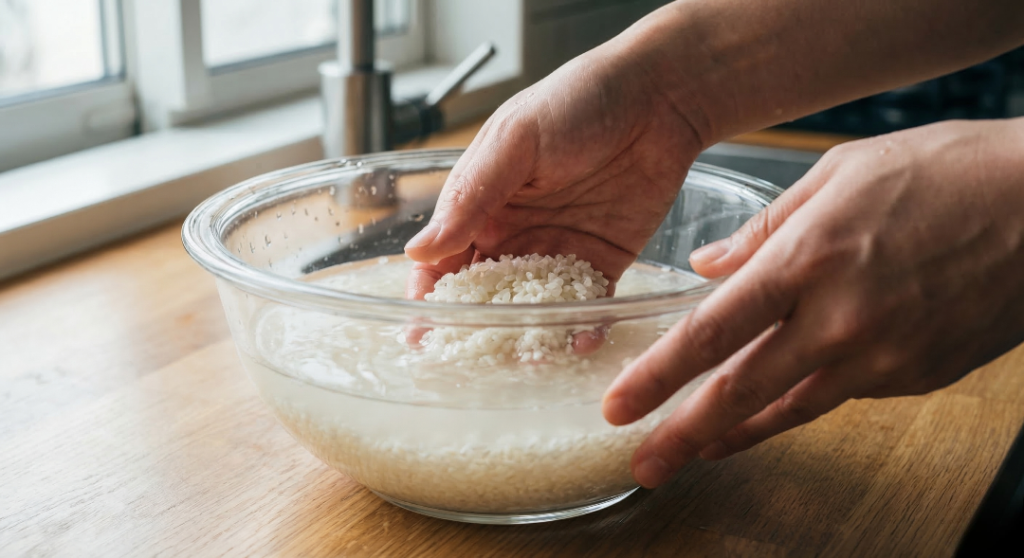
Step 1: Rinse the rice
Place the rice in a bowl and fill it with cold water. Slowly stir it using your hands, then drain. Repeat this several times until the water looks much less cloudy.
This step helps remove excess starch so the rice cooks up with a better texture.
Step 2: Cook the rice
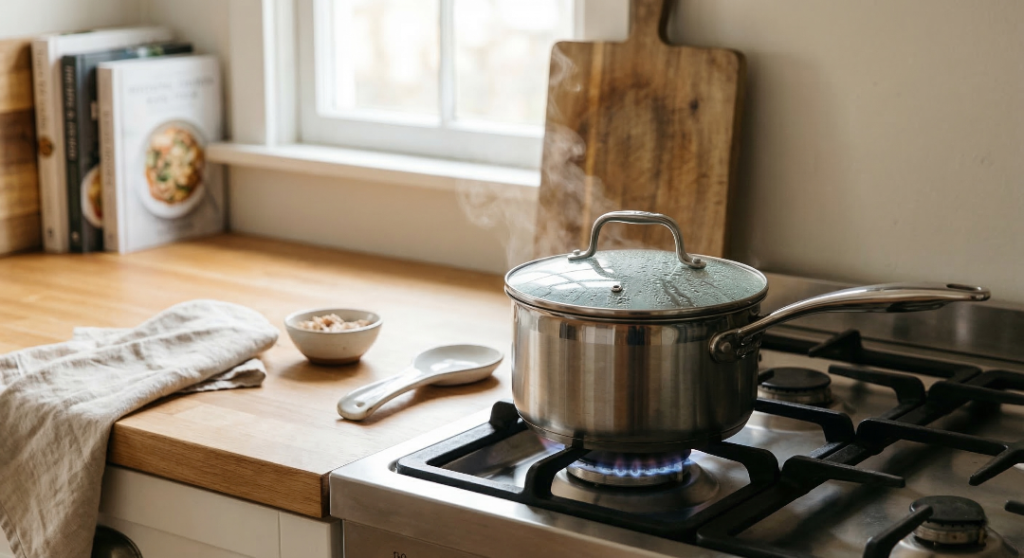
Add the rinsed rice and water to a saucepan or rice cooker. Let it soak for about 20 to 30 minutes before cooking if you have time. It is helpful for cooking the grains more evenly.evenly.
The cooking should be done as per the instructions of your rice cooker instructions, or on the stovetop:
- bring to a boil
- Keep the heat at a low temperature
- cover and cook for about 15 minutes
- Put off the cooker, keep it covered and let it cool for 10 minutes.
Do not keep lifting the lid while the rice cooks. The trapped steam is important.
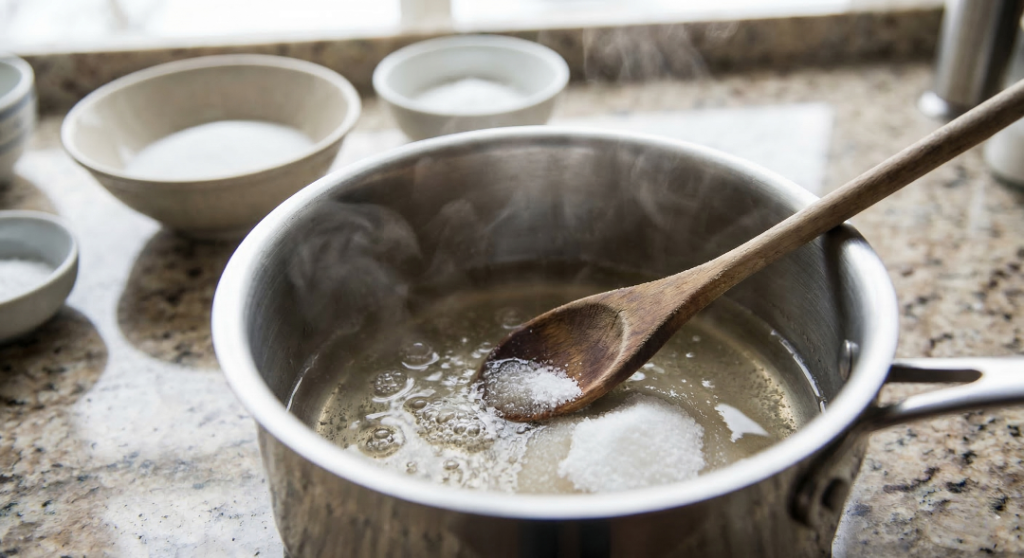
Step 3: Prepare the seasoning
While the rice cooks, add the rice vinegar, sugar, and salt to a small saucepan. Warm it over low heat and stir gently until the sugar and salt fully dissolve. There is no need to let it boil hard. You only want everything to mix together smoothly.
Once it is ready, set it aside for a few minutes so it can cool slightly.
Step 4: Season the rice
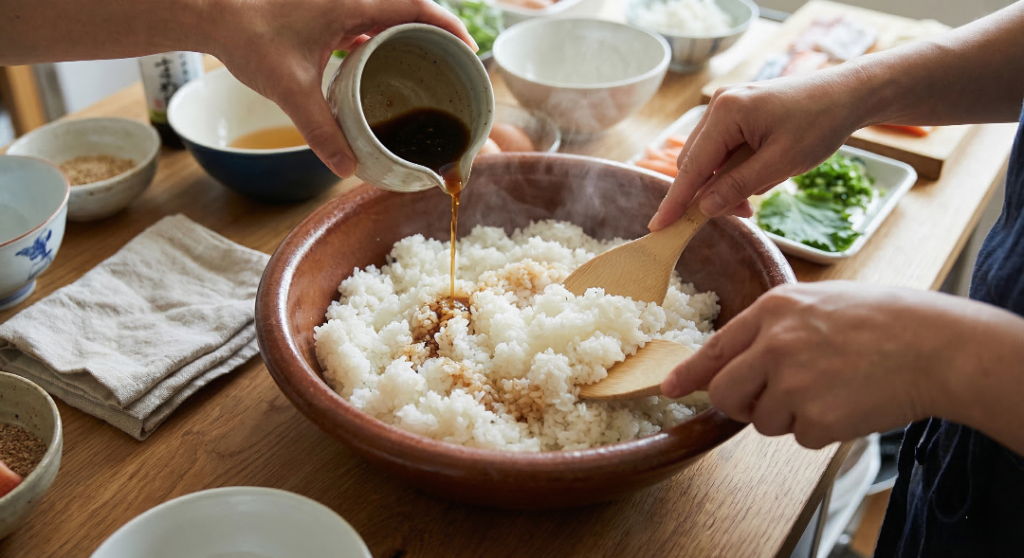
Move the freshly cooked rice into a wide bowl. A broad, shallow bowl is helpful because it gives you enough space to mix the rice gently without breaking the grains.
Pour the seasoning over the hot rice little by little. Using a rice paddle, spatula, or flat spoon, carefully fold and cut through the rice. Avoid stirring it roughly. The goal is to spread the seasoning evenly while keeping the rice light and fluffy.
Step 5: Let the rice cool
As you gently mix, allow the rice to cool down. You can fan it lightly while mixing if you want the rice to look a bit more glossy, but that step is optional for home cooking.
Let the rice cool until it is warm or close to room temperature before using it for sushi.
Your sushi rice is now ready to use.
Helpful tips for the best results
Use short-grain sushi rice rather than long-grain rice, since the texture and stickiness are very different.
Wash the rice well before cooking to remove excess starch.
Measure the water carefully so the rice cooks properly.
After adding the seasoning, mix gently so the grains do not turn mushy.
Let the rice cool a bit before shaping sushi or making rolls.
Do not put it straight into the fridge unless you are storing leftovers.
Sushi rice tastes and feels best on the day you make it.
Possible Variations
One of the best things about sushi rice is that you can make small adjustments based on how you plan to serve it.
1. Less sweetness
If you do not want the rice to taste as sweet, use a little less sugar. This can work especially well when you are serving it with sweet sauces or toppings.
2. More tang
If you like a stronger vinegar flavor, add a little extra rice vinegar. Just be careful not to overdo it, or the flavor may become too sharp.
3. Brown sushi rice
Some people like to use short-grain brown rice instead of white sushi rice. It is not the traditional choice, and the texture is firmer, but it can work well in rice bowls. It may also suit some healthy living goals, although it will not have the same soft texture as classic sushi rice.
4. Keep the rice simple and change the toppings
Instead of changing the rice itself, you can create variety through toppings. Try cucumber, avocado, sesame seeds, seaweed, edamame, shrimp, salmon, or tofu.
5. Add more protein
To make the meal more filling, serve sushi rice with salmon, tuna, eggs, tofu, or chicken. That is one of the easiest ways to turn it into a more high protien meal without changing the basic recipe too much.
If you enjoy balanced meals and healthy food, sushi rice bowls can be a simple and flexible option.
Ways to use sushi rice
A good sushi rice recipe can be used for much more than homemade sushi rolls. Once you have it ready, there are plenty of easy ways to enjoy it.
Sushi rolls
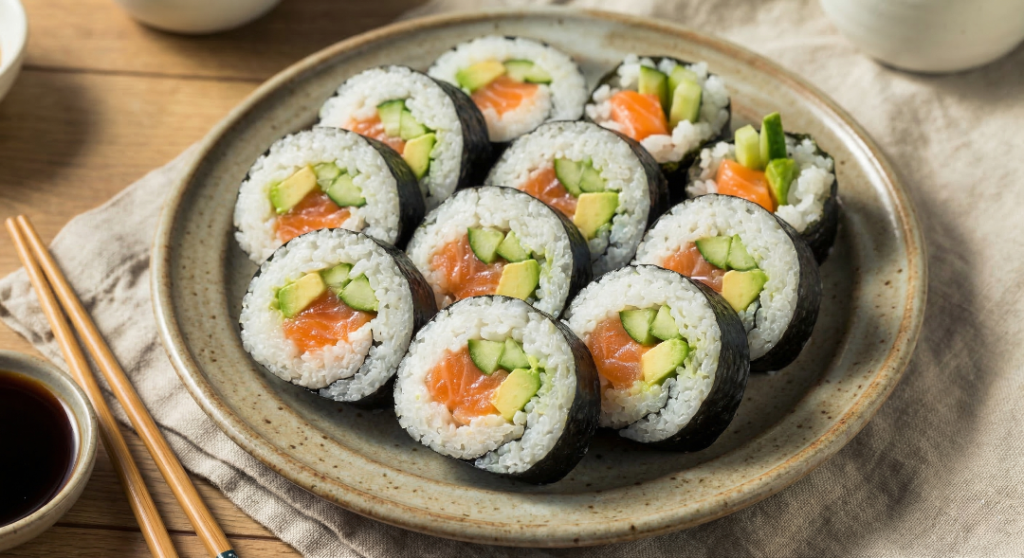
This is the most familiar option. Spread the rice over a sheet of nori, add your fillings, and roll it up.
Sushi bowls
Build a simple bowl with sushi rice, cucumber, carrots, avocado, seaweed, and the protein you like best. This is one of the easiest ways to enjoy sushi at home without rolling anything.
Nigiri
Shape the rice into small portions by hand and top each one with fish, shrimp, or avocado.
Onigiri-style rice balls
You can also shape the seasoned rice into rice balls and add fillings if you like, although traditional onigiri is usually made with plain rice.
Side dish with grilled fish
Sushi rice also works well as a side for grilled salmon or other lightly seasoned proteins.
Easy meal prep lunches
Use it as the base for lunch bowls with vegetables and protein for a more balanced meal.
Fusion-style meals
Sushi rice can also be used in poke-style bowls, cucumber cups, lettuce wraps, or baked sushi-inspired dishes.
This is where good food becomes really useful in everyday life. One batch of rice can easily turn into several different meals.
For readers of Good Food Remedies, a flexible recipe like this works well for regular meal planning. It also gives you natural chances to connect to other helpful content on your website, such as:
- healthy dinner ideas
- probiotic-rich foods
- foods that may help with bloating
- high-protein meal ideas
- easy homemade sauces
- healthy lunch bowls
Sushi Rice
This easy sushi rice recipe shows you how to make soft, glossy, well-seasoned rice that works beautifully for sushi rolls, sushi bowls, and other simple meals. It uses basic ingredients and easy steps, so it is a great choice for beginners as well as everyday home cooks.
Ingredients
- 2 cups Japanese short-grain sushi rice
- 2 1/4 cups water
- 1/4 cup rice vinegar
- 2 tablespoons sugar
- 1 teaspoon salt
Instructions
- Put the sushi rice into a bowl and rinse it under cold water several times until the water looks much clearer. Drain it well.
- Add the rinsed rice and water to a saucepan or rice cooker. If you have time, let it soak for 20 to 30 minutes before cooking.
- If you are using a saucepan, bring the rice to a boil first. Then lower the heat, cover the pan, and let it cook gently for about 15 minutes. Turn off the heat and leave it covered for another 10 minutes.
- In a small saucepan, heat the rice vinegar, sugar, and salt over low heat until everything dissolves. Do not let it boil too strongly.
- Transfer the hot rice to a wide bowl and pour the seasoning over the top.
- Using a rice paddle or spatula, gently fold the rice with slicing motions so the grains stay as whole as possible.
- Let the rice cool until it feels warm or close to room temperature before using it.
Equipment
- Medium saucepan with a lid or a rice cooker
- Fine mesh strainer
- Mixing bowl
- Small saucepan
- Spatula or rice paddle
- Measuring cups and spoons
Nutrition Facts (per serving)
Nutrition can vary depending on serving size and ingredients, but one basic serving of sushi rice may provide:
- Calories: about 180–220
- Carbohydrates: about 40–45g
- Protein: about 3–4g
- Fat: 0–1g
- Sodium: depends on added salt
Notes
- Use Japanese short-grain rice for the best texture.
- Do not skip rinsing the rice.
- Let the cooked rice rest before seasoning.
- Mix gently to avoid crushing the grains.
- Sushi rice is best used on the same day.
- If storing leftovers, keep them in an airtight container and reheat gently before serving.
FAQs
Can I use regular rice instead of sushi rice?
You can, but the texture will not be the same. Long-grain rice does not have the stickiness needed for classic sushi.
Why is my sushi rice mushy?
This usually happens if too much water was used, the rice was not drained well after rinsing, or it was overmixed.
Can I make sushi rice ahead of time?
Yes, but it is best fresh. If needed, make it a few hours ahead and keep it covered at room temperature.
Do I need a rice cooker?
No. A saucepan works perfectly well for this sushi rice recipe.
Can sushi rice be part of a healthy meal?
Yes. When paired with vegetables and protein, it can be part of balanced healthy food meals.
Is sushi rice probiotic?
No, sushi rice itself is not probiotic. If you want probiotic foods in your meal plan, pair your meals with foods like yogurt, kefir, or fermented vegetables where appropriate.
Does sushi rice help with bloating?
That depends on the person and the meal as a whole. Some people tolerate simple rice well, while rich sauces, fried toppings, or large portions may feel heavier.
What is sushi rice made of?
Sushi rice is made from Japanese short-grain rice seasoned with rice vinegar, sugar, and salt.
What rice is best for sushi?
Japanese short-grain rice is the best rice for sushi because it becomes sticky enough to hold its shape.
Can I use jasmine rice for sushi?
You can, but it is not ideal because jasmine rice is too light and separate for traditional sushi texture.
Why do you season sushi rice?
Seasoning gives sushi rice its classic sweet-tangy flavor and helps create the taste people expect in sushi.
How do you make sushi rice?
To make sushi rice, rinse Japanese short-grain rice well, cook it with the right amount of water, then season it with rice vinegar, sugar, and salt while it is still warm. Let it cool slightly before using it for sushi rolls, bowls, or nigiri.