Stress Management: Symptoms & How to Relieve Stress Naturally
Stress Management: What Is Stress, Its Symptoms & How to Relieve Stress Naturally
We all experience difficult times in life. Stress is something everyone experiences. It can come from work, money, family, and other responsibilities. The more positive thing is that stress can be managed and improved. With practice and understanding of the stressors, quality of life can be enhanced.
For more simple health tips, visit Good Food Remedies.
What Is Stress?
Stress is your body’s natural reaction when something feels too hard to handle. When you face a difficult situation, your brain sends signals that put your body on high alert. This is called the fight-or-flight response—your body trying to protect you from pressure or danger.
In small amounts, pressure can actually be beneficial. It keeps you focused and helps you get things done. But when it becomes too much or stays too long, it starts to hurt your body and mind. So, what is stress, really? Think of it like a pressure gauge—a little is fine; too much and things start to crack.
Acute vs. Chronic Stress
There are two main types. Acute stress is short-term—it comes quickly and goes away fast, like before an exam or interview. Chronic stress is long-term—it stays for weeks or months and slowly wears your body down. Chronic stress is the more dangerous kind that most people struggle to manage on their own.
Symptoms of Stress—Know the Warning Signs
Many people do not even realize they are under pressure until their body starts showing warning signs. Learning to spot the symptoms of stress early can protect you from bigger health problems down the road. The symptoms show up in your body, your feelings, and your behavior.
Here are the most common warning signs to watch out for:
- Stress headache—a tight, dull pain around your head and neck
- Trouble sleeping—staying awake at night because your mind is racing with worry.
- Fast heartbeat—your heart feels like it’s racing even though you are just sitting down.
- Stomach problems—can stress cause diarrhea? Yes. Stress can absolutely cause problems like diarrhea. For natural relief tips, see our guide on home remedies for gas and bloating.
- Stress eating—reaching for food out of emotion rather than hunger
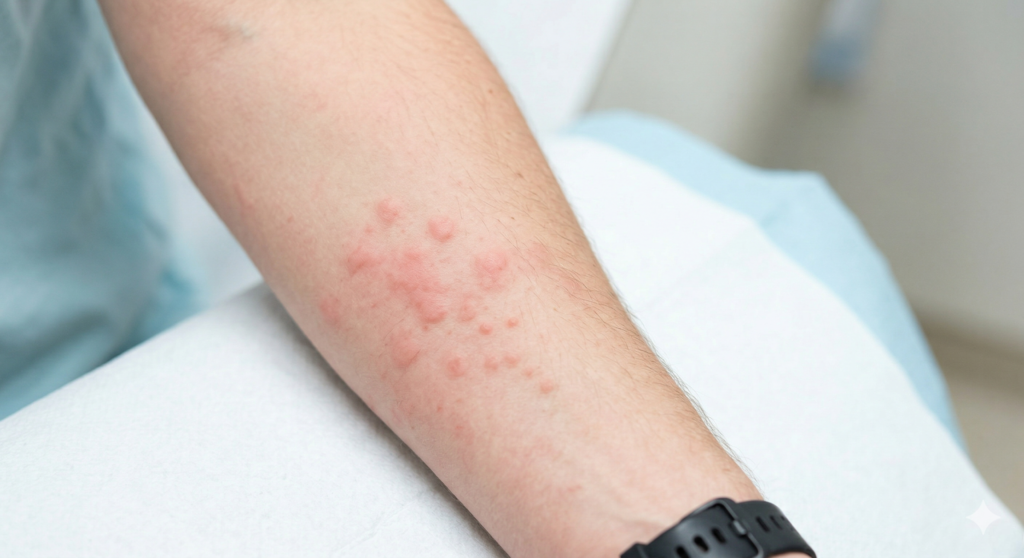
- Stress rash or stress hives—red, itchy bumps appearing on your skin
- Tiredness—feeling drained even after a full night of sleep
- Irritability—snapping at people or losing patience very easily
Why Is Stress Management Important?
Managing stress is not just about feeling calm—it is about protecting your whole health. When it goes unmanaged for too long, serious physical and mental problems can develop. For practical strategies that work, Good Food Remedies has a wide range of simple health guides to help you.
Unmanaged pressure has also been linked to weight gain, poor sleep, weak immunity, anxiety, and depression.
What Is Toxic Stress?
Toxic stress is a more serious level that does not go away—even when the problem is over. It happens when a person faces extreme, long-lasting pressure with no support system around them. Unlike everyday stress that the body can recover from, toxic stress keeps your system stuck in a constant state of alarm.
Over time, toxic stress can change how your brain works, weaken your immune system, and damage your heart and digestion.
How to Relieve Stress—Simple Ways That Actually Work
Now let us talk about how to relieve stress in practical, everyday ways. You do not need expensive treatments or complicated plans. Small daily habits make the most significant difference.
Exercise Every Day
Moving your body is one of the most powerful ways to relieve stress. Exercise releases feel-good chemicals called endorphins that lift your mood fast. Even a 20-minute walk outside can make a real difference. You do not need a gym—just get up and move your body daily.
How to Relax With Breathing and Meditation
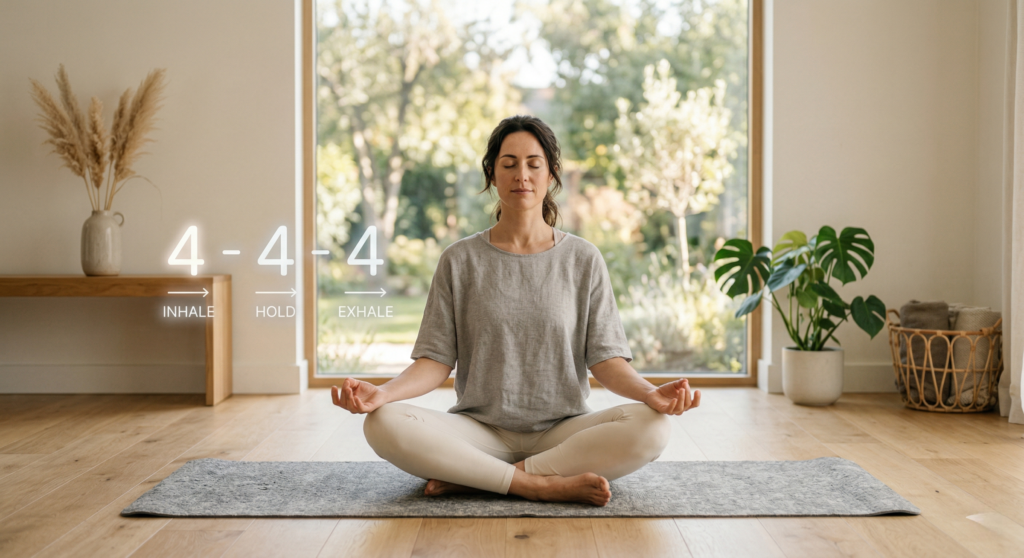
Breathing is one of the quickest ways to relieve stress. Try this: breathe in for a count of 4, hold for a count of 4, and breathe out for a count of 4. Repeat this 5 times. If you’re feeling overwhelmed, you can also clear your mind with meditation. It doesn’t have to be long; just 5 minutes can help.
How to Reduce Stress Naturally Every Day
There are many natural ways to keep stress low without medication. Eating the right foods plays a big role—check out these super healthy foods that support your body and mind. Here is how to reduce stress naturally in your daily life:
- Sleep 7 to 9 hours every night—your body repairs itself during sleep.
- Eat a balanced diet—cut back on sugar and caffeine when feeling overwhelmed.
- Spend time in nature—even 15 minutes outside lowers stress hormones.
- Write in a journal—putting feelings on paper is a great way to reduce stress naturally.
- Talk to someone you trust—connection is one of the most powerful natural relievers.
Stress Eating—Why It Happens and How to Stop
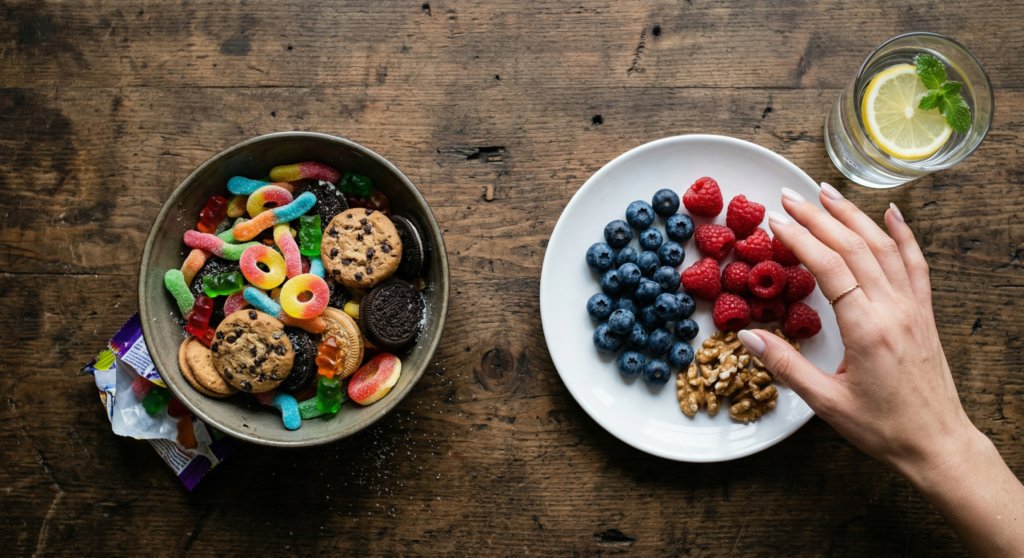
When someone is feeling upset and eats food even if they are not hungry, that is stress eating. It is common to crave sweet and fatty foods when the pressure is on because they provide a moment of comfort. However, the relief from stress eating is only temporary. If you often eat late at night when stressed, read about the best foods to eat at night to lose belly fat—making smarter food choices can really help break the cycle.
When you find yourself stress eating, first ask yourself if you are really hungry or if you are feeling overwhelmed. Try drinking a glass of water and wait 10 minutes. Most cravings for food pass after that. Instead, try going for a walk, taking deep breaths, or talking to a friend. It can also help to have some healthy snacks on hand.
Stress Rash, Stress Hives, and Stress Headache
Pressure does not just affect your mind—it shows up on your body too. A stress rash is one of the most common physical signs. A stress rash looks like red, raised, itchy bumps that can appear on your face, neck, chest, or arms. It happens because your body releases histamine—the same chemical behind allergic reactions.
Sometimes a stress rash turns into stress hives—swollen red welts that are very itchy. If you want to know how to get rid of stress hives, start by applying a cold compress.
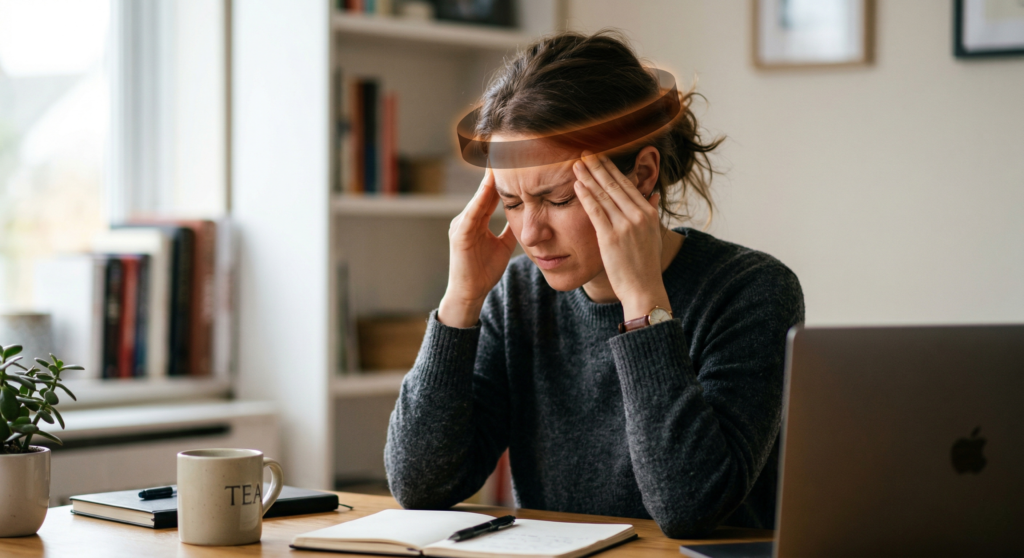
A stress headache is another very common symptom—it feels like a tight band around your head. A stress headache happens because tension tightens the muscles in your neck and scalp. To ease a stress headache, drink water, massage your temples, breathe slowly, and rest your eyes from screens.
What Is Acute Stress Disorder?
Acute stress disorder is a mental health condition that develops after someone goes through a very traumatic event—like an accident, attack, or sudden loss. Acute stress disorder is not the same as everyday stress. It is an intense reaction that includes flashbacks, nightmares, feeling numb or disconnected, trouble sleeping, and avoiding reminders of the event.
If you or someone you know shows signs of acute stress disorder, please get professional help right away. It responds very well to therapy, especially CBT.
Stress Test and Nuclear Stress Test—What Are They?
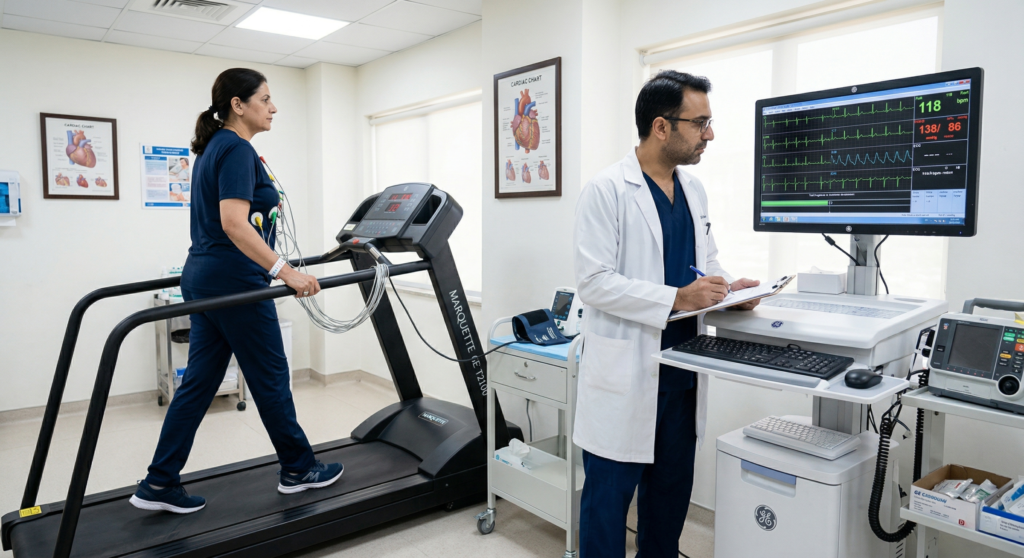
A stress test is a medical test that checks how your heart works during physical activity. During a stress test, you walk on a treadmill while doctors watch your heart rate and blood pressure. A stress test helps find heart problems that do not show up at rest. Doctors often recommend a stress test if you have chest pain or a high heart disease risk.
A nuclear stress test is a more detailed version. In a nuclear stress test, a small radioactive dye is injected so a camera can take images of blood flow in your heart. A nuclear stress test is very safe—the dye leaves your body quickly. It is one of the best tools doctors have to check if your heart is getting enough blood under physical pressure.
What Is a Stress Fracture?
A stress fracture is a little crack in a bone caused by repeated force over time. Unlike a normal break, a stress fracture builds up slowly from the same movement done again and again—like running or jumping. It is most common in the feet and shins. The main sign of a stress fracture is pain that gets worse with movement and better with rest.
To treat a stress fracture, stop the activity causing it and rest for 6 to 8 weeks. Wearing the right shoes, building up exercise gradually, and eating enough calcium and vitamin D are the best prevention methods. Bone pain should never be ignored because if a stress fracture is pushed, it can become a complete fracture.
Anxiety Management—Taking Control of Your Mind

Anxiety management and pressure management go hand in hand. It means building daily habits that stop anxious thoughts from taking over your life. Good anxiety management includes regular exercise, proper sleep, breathing techniques, and professional therapy when needed. Eating the right foods also supports your mental health—see our guide on high-protein foods for gut health, which also benefits your mood and anxiety levels.
A stress ball can also help with anxiety management; squeezing it can help release physical tension and keep your mind focused in overwhelming situations. Try to keep a stress ball on your desk or in your bag to help keep it under control when it is most likely to be a problem.
Stress Management FAQs
What is stress, and why does it happen?
It is your body’s natural response to pressure or threat. It happens when life demands feel bigger than your ability to cope—from work, money, relationships, or major life changes. For a more profound look at strategies and techniques, visit our full guide on stress management techniques.
What are the most common symptoms of stress?
The most common symptoms include stress headaches, trouble sleeping, fast heartbeat, stress eating, stress rash or stress hives, stomach problems, tiredness, and irritability. These symptoms are your body telling you it needs attention.
How to relieve stress quickly?
The fastest ways to relieve pressure are slow deep breathing, a short walk, splashing cold water on your face, or calling someone you trust. For long-term relief, build daily habits like exercise, good sleep, and knowing how to relax properly.
Can stress cause high blood pressure?
Yes. The hormones released during a high-pressure response tighten blood vessels and speed up the heart—which raises blood pressure. If the condition goes on for months, it can lead to permanent hypertension and increase the risk of heart disease.
How to reduce stress naturally?
The best natural ways are regular exercise, 7 to 9 hours of sleep, eating well, spending time in nature, using aromatherapy, journaling, and connecting with people you care about. None of these cost money—they just need daily consistency. For more easy wellness ideas, head over to Good Food Remedies.
The Bottom Line
It’s completely normal to feel overwhelmed, but it shouldn’t run your life. You understand what stress is, what it looks like, how to relieve it, how to reduce it naturally, what toxic stress and acute stress disorder are, how a stress test and nuclear stress test work, what a stress fracture is, and how to manage stress rash, stress hives, and stress headache. You have the information—now do something about it.
Start with one small step today. Take a deep breath. Go for a walk. Talk to someone. Small steps done every day add up to real change. You can manage how you feel—and you deserve to feel better. For more simple, practical health advice, visit Good Food Remedies.