Easy Pancakes Recipe
Easy Pancakes Recipe
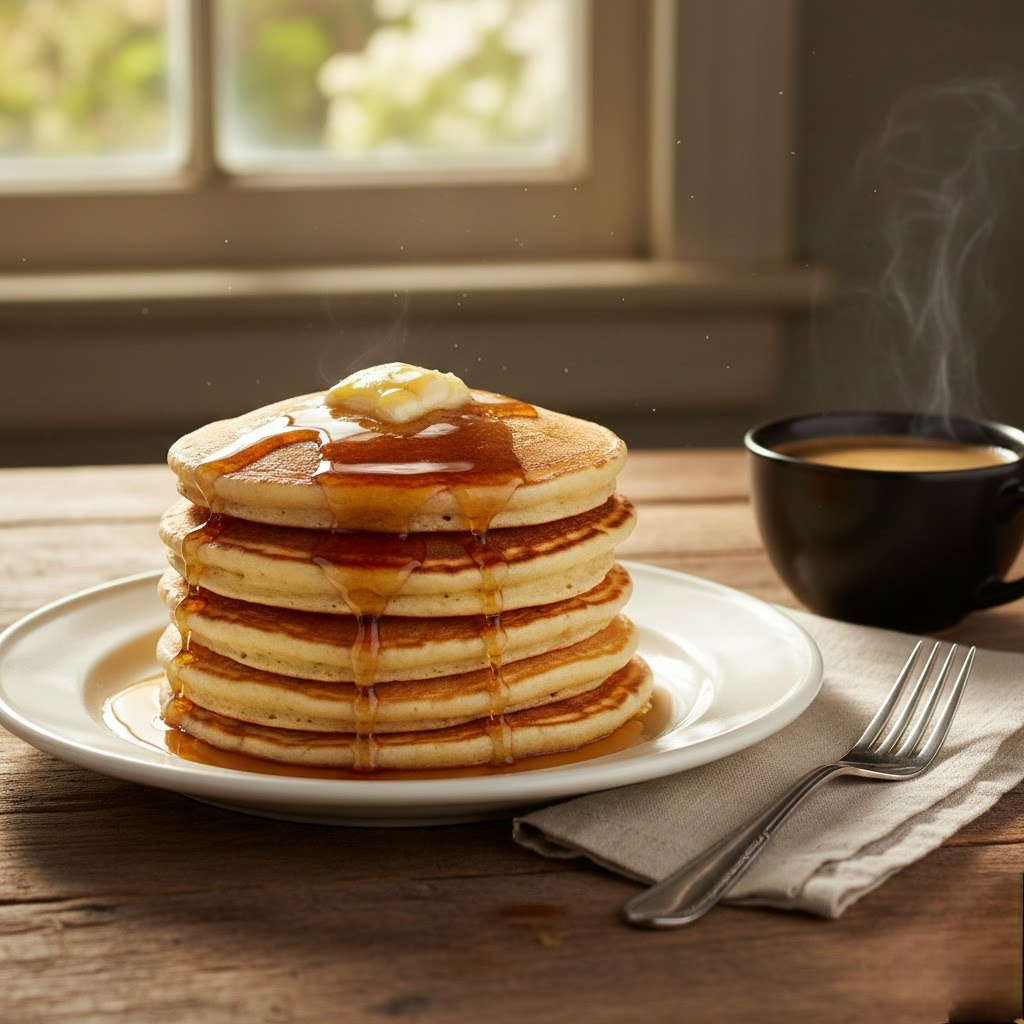
The smell of pancakes cooking on a weekend morning is really special. You hear the sound of the batter hitting the pan and it starts to cook. The edges of the pancakes get all golden and crispy. When you take a bite it is so fluffy and delicious with maple syrup on top. People like to make pancakes, for their family when they’re hungry.
Sometimes people make pancakes for their friends when they come over on the weekend. You can also make pancakes for yourself when you want a nice breakfast. Knowing how to make pancakes is a useful thing to know. It is something that you can use a lot. It always makes everyone feel delighted. Pancakes are great. Everyone loves them.
Making pancakes is something that you should learn how to do because it is easy and fun. This pancake recipe is really something because it is so simple to make and the results are like the results of a chef. You do not need any machines or ingredients that are hard to find or special cooking skills. You probably already have everything you need for this pancake recipe in your kitchen.
Nutrition per serving
Understanding what you’re eating is important, and these pancakes strike a beautiful balance between indulgent and reasonable. Each serving of two medium-sized pancakes (without toppings) contains approximately 250 calories, making them a satisfying breakfast that won’t weigh you down. The protein content sits at around 8 grams per serving, which comes primarily from the eggs and milk, helping to keep you fuller for longer and preventing that mid-morning energy crash. Here is the approximate dietary breakdown in keeping with serving:
| Nutrient | Amount per Serving |
| Calories | 250 kcal |
| Total Fat | 7g |
| Saturated Fat | 2g |
| Cholesterol | 55mg |
| Sodium | 400mg |
| Total Carbohydrates | 35g |
| Dietary Fiber | 1g |
| Sugars | 6g |
| Protein | 8g |
| Calcium | 120 mg |
Ingredients
The ingredient list for perfect pancakes is refreshingly short and straightforward, yet every single component plays a crucial way in growing the perfect texture and flavor. The ratio of wet to dry ingredients has been carefully calibrated through countless test batches to produce batter with the ideal consistency—thick enough to hold its shape on the griddle but thin enough to spread into perfect circles. This precise balance is what separates mediocre pancakes from truly outstanding ones. Here’s what you want and why every single thing matters:
- All-Purpose Flour: 1 1/2 cups, which forms the foundation of your pancakes and gives them structure.
- Baking Powder: 3 1/2 teaspoons acts as the leavening agent, creating those air pockets that make pancakes rise beautifully on the griddle.
- Sugar: 1 tablespoon adds just a touch of sweetness to the batter. This isn’t enough to make pancakes taste like dessert, but rather it balances the flavors and helps them achieve that gorgeous golden-brown color as they cook. The sugar also helps tenderize the batter slightly.
- Salt:1 teaspoon is essential—never skip it. Salt enhances all the other flavors in the recipe and prevents your pancakes from tasting flat or bland.
- Milk: 1 1/4 cups of whole milk provides moisture, helps activate the baking powder, and contributes to the batter’s smooth consistency.
- Egg: 1 large egg binds everything together while adding richness and structure. The egg proteins set as the pancakes cook.
- Butter: 3 tablespoons of melted butter brings richness and flavor that elevates these pancakes from good to exceptional.
- Additional Butter or Oil: For cooking, you’ll need enough to lightly coat your griddle or pan between batches.
Tip:
The difference between good pancakes and absolutely stellar ones often comes down to technique, and there are several professional secrets that will elevate your pancake game significantly. First and foremost, never overmix your batter. This is the single most common mistake home cooks make, and it’s the fastest route to tough, rubbery pancakes. When you combine the wet and dry ingredients, stir just until everything is moistened and you no longer see dry flour. The batter should be lumpy—those lumps are perfectly fine and will disappear during cooking. Overmixing develops the gluten in the flour, which makes pancakes dense and chewy instead of light and fluffy. Think of it like this: every extra stir is working against your goal of fluffy pancakes.
Method
Combine Dry Ingredients
In your first mixing bowl, combine the flour, baking powder, sugar, and salt. Whisk them together thoroughly for about thirty seconds to break up any lumps and ensure the baking powder is evenly distributed throughout. Even distribution of the leavening agent is crucial for pancakes that rise uniformly without any flat spots. This whisking also aerates the flour slightly, contributing to a lighter final texture.
Mix Wet Ingredients
In your second bowl, whisk together the milk, egg, and melted butter until the egg is fully incorporated and the mixture is smooth and uniform in color. The butter should be melted but not hot—if it’s too warm, it can cook the egg and create unpleasant scrambled bits in your batter. Let it cool for 2 mints if needed. Make sure everything is well combined so you don’t have pockets of egg white in your finished batter.
Combine Wet and Dry
Pour the mixture with the dry ingredients in the bowl. This is the crucial step where technique matters most. Using a wooden spoon or rubber spatula, gently fold the mixture together with broad, sweeping strokes from the bottom of the bowl upward. Stop as the streaks of dry flour are gone. The batter will be lumpy, and you might see a few small pockets of flour—this is completely normal and actually desirable. Remember, those lumps will smooth out during cooking, and overmixing is the enemy of fluffy pancakes. It’s better to have a few lumps than to have tough, dense pancakes.
Rest the Batter
Set your batter aside to rest for five to ten minutes while you heat your cooking surface. During this time, you’ll see the batter thicken slightly and small bubbles will appear on the surface as the baking powder activates. This resting period is essential for tender, fluffy pancakes. Use this time productively to gather your toppings, set the table, or pour coffee. The wait is absolutely worth it.
Heat the Griddle
Place your griddle or skillet over medium heat and let it warm up for three to four minutes. Proper preheating is essential for even cooking and beautiful color. Once hot, lightly grease the surface with a small amount of butter or neutral oil. Use a paper towel to spread it evenly and wipe away any excess—you want just a thin film, not pools of fat. The pan should be hot enough that a drop of water sizzles and dances across the surface.
Cook the Pancakes
Use a quarter-cup measure to pour batter onto the griddle, leaving about two inches between pancakes to allow for spreading and easy flipping. Watch the pancakes carefully as they cook. Small bubbles will begin forming on the surface after about one minute, and these bubbles will start popping, leaving small holes. When the edges look set and dry, and the surface is covered with popped bubbles—usually after two to three minutes—it’s time to flip. Use a wide spatula and flip with confidence in one smooth motion. The second side cooks faster than the first, usually requiring only one to two minutes. You’re looking for a golden-brown color that’s uniform across the pancake surface.
Keep Warm and Serve
Transfer finished pancakes to a warm plate or place them in a preheated 200-degree oven to keep warm while you cook remaining batches. This ensures everyone gets hot pancakes at the same time, and the low heat won’t dry them out. Cover them loosely with foil to retain moisture. Between batches, check your heat level and adjust if needed, and lightly re-grease the cooking surface as necessary. This recipe yields approximately eight to ten medium pancakes, serving four people generously. Serve immediately with classic maple syrup and butter, or try fresh berries, whipped cream, sliced bananas, Greek yogurt with honey, warm berry compote, or caramelized apples.