Chia Seeds Benefits: The Ultimate Guide to This Tiny Superfood
Chia Seeds Benefits: Everything You Need to Know
{
“@context”: “https://schema.org”,
“@type”: “Article”,
“headline”: “Chia Seeds Benefits: Everything You Need to Know”,
“description”: “An in-depth guide to chia seeds nutrition, health benefits for the heart and gut, and how to include them in your daily diet.”,
“author”: {
“@type”: “Organization”,
“name”: “Good Food Remedies”
},
“mainEntityOfPage”: {
“@type”: “WebPage”,
“@id”: “https://www.goodfoodrmedies.com/chia-seeds-benefits-nutrition-guide/”
}
}
Do you benefit from eating chia seeds? For what purposes are chia seeds useful? Here are the answers to all your questions—plain and simple. Even though they’re little, chia seeds are an excellent source of antioxidants, protein, fiber, and omega-3 fatty acids. For more simple food guides like this, visit Good Food Remedies.
What Are Chia Seeds?
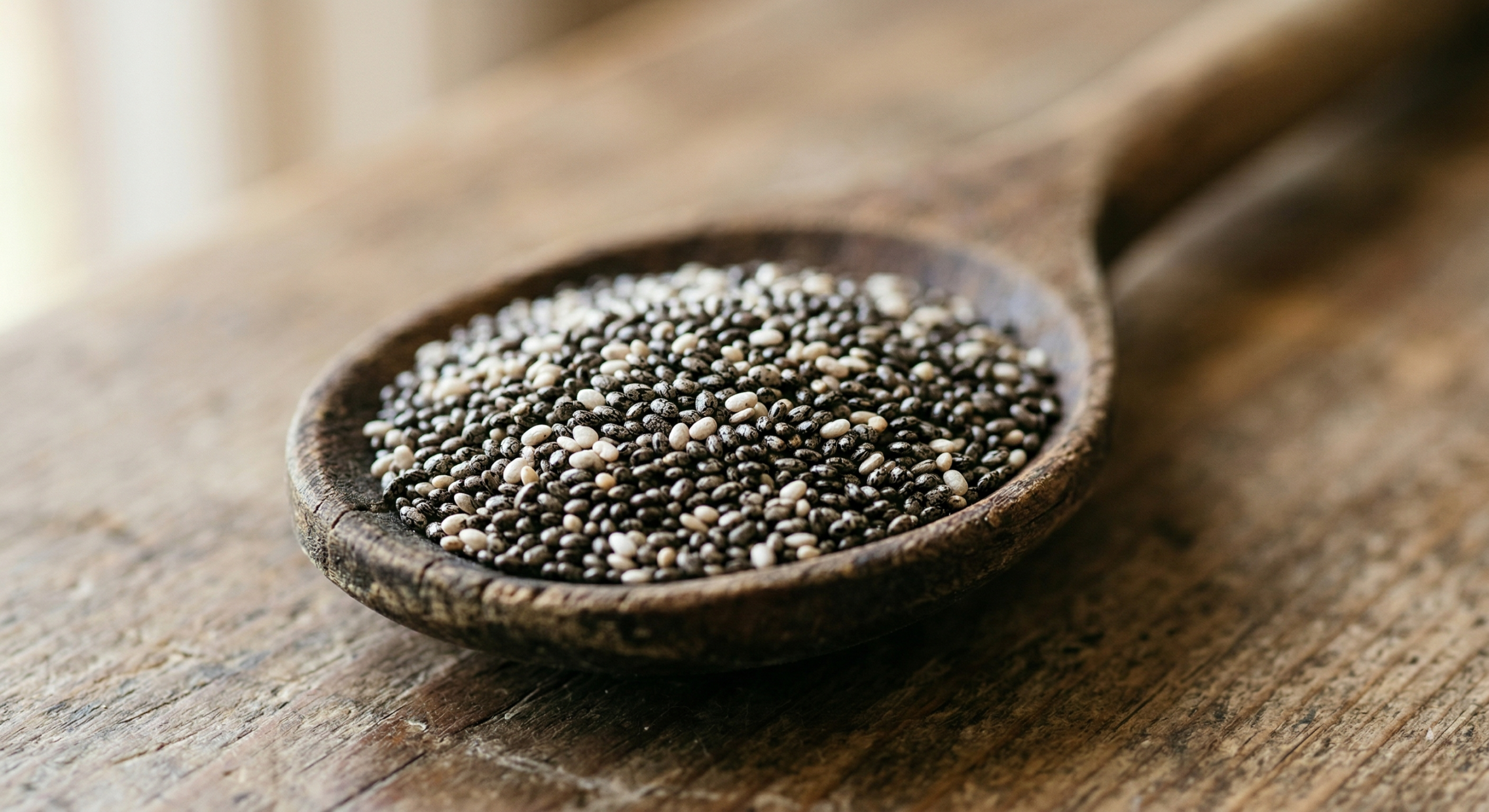
Chia seeds are small, black, or white. They come from a plant that was first found in Mexico and Guatemala. People have been eating them for hundreds of years. Ancient warriors ate them before fights and long trips because they provided a lot of energy for such a small amount.
Chia seeds are really good for you; people all around the world eat them today. And the best part is that they’re so easy to use. You don’t have to do anything hard or cook them. You just put them in with what you’re currently eating.
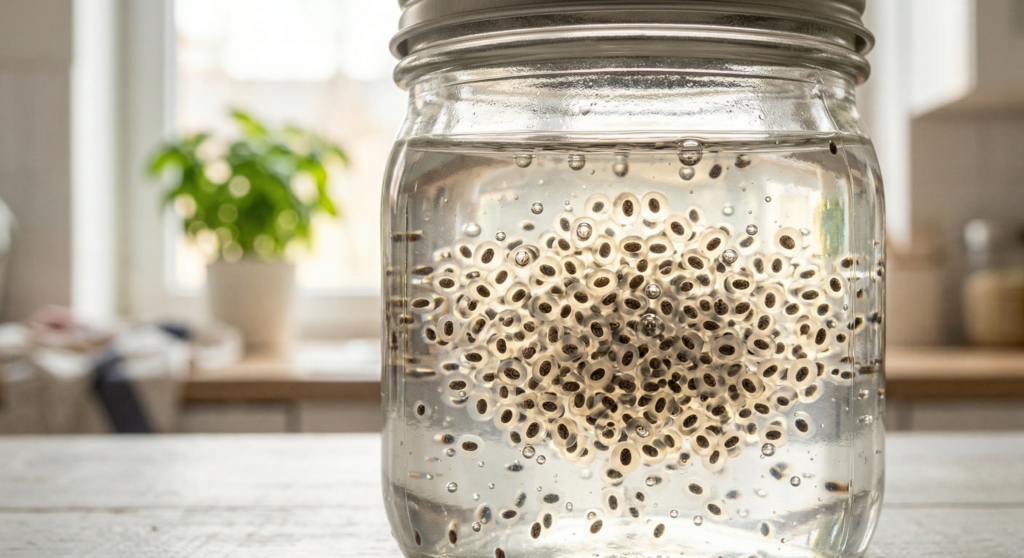
The most remarkable feature of chia seeds is what happens when they come into contact with water. They absorb up to 10 times their weight in water, forming a thick gel. This property makes them beneficial and ideal for puddings, overnight oats, and smoothies. They are truly one of the super healthy foods you can easily add to your daily routine.
Chia Seeds Nutrition Facts
Here is what you actually get when you eat a standard serving of chia seeds—about 2 tablespoons or 28 grams:
Health Benefits of Chia Seeds
So, what are chia seeds really good for? Here is a quick look at all the primary benefits:
- Heart health—omega-3s and fiber decrease harmful cholesterol and keep your heart healthy.
- Plant protein: a whole plant protein that is perfect for vegans and vegetarians.
- Blood pressure: Research shows that chia seeds can help lower high blood pressure naturally.
- Bone health—lots of calcium, phosphate, and magnesium for strong bones.
- Antioxidants protect your cells from harm and fight inflammation.
- Losing weight makes you feel full longer, so you naturally eat less.
- Blood sugar slows down digestion and stops the increase in blood sugar.
- Health of the gut—feed the healthy bacteria in your stomach and keep digestion going smoothly.
It may be good for your heart and lower your blood pressure. This is one of the main reasons individuals start eating chia seeds. And there is good research to back it up.
Why Chia Seeds Are a Powerful Superfood for Overall Health
Chia seeds are one of the best plant-based sources of omega-3 fatty acids in the world. Omega-3s help lower inflammation in the body, which is one of the key things that leads to heart disease. Chia seeds provide fiber that helps lower your bad cholesterol (LDL) and keeps your arteries clean over time. If you want to explore more foods like this, Good Food Remedies has a wide range of simple, healthy eating guides.
Things get much more fascinating when it comes to blood pressure. There is solid evidence that people who eat chia seeds daily have lower blood pressure, especially those with high blood pressure.
In addition to heart and blood pressure benefits, chia seeds provide plant-based protein that contains all the amino acids needed for a healthy diet. When people talk of protein, they generally think of meat, poultry, or eggs. But chia seeds are a surprisingly good source of plant-based protein. And what makes them exceptional is that they have all nine of the amino acids that are needed for life. That can’t be said about most plant foods. For a full list, refer to the 17 best high-protein foods.
Rich in Omega-3 Fatty Acids
Chia seeds are among the best plant-based sources of omega-3s in the world. You get about 5 grams of ALA omega-3 fatty acids in one serving, which is more than most fish oil supplements.
Omega-3s help your skin stay healthy, lower inflammation, boost cognitive function, protect your heart, and even help your mood. Most individuals don’t get nearly enough omega-3s in their diets. Chia seeds are one of the quickest and cheapest methods to address that, especially if you don’t eat fish often.
May Help Gut Health Because of Fiber
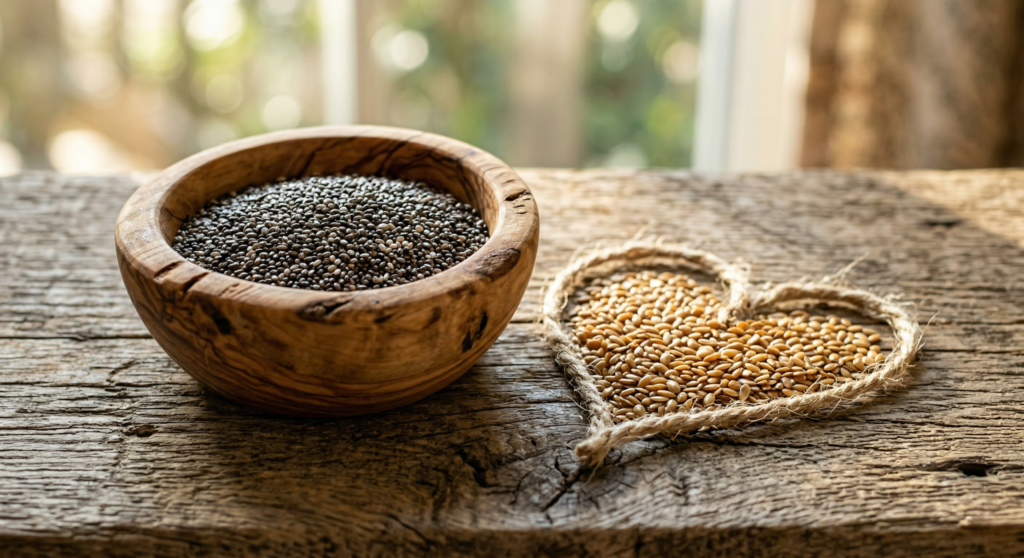
Chia seeds are among the highest in fiber, with 11 grams per serving. Fiber is excellent for the microorganisms in your gut.
Chia seeds include a lot of soluble fiber. This kind soaks up water and makes a gel in your stomach. The gel slows digestion, so nutrients are absorbed more slowly and steadily. The result is improved blood sugar regulation, feeling fuller for longer, and a more pleasant digestive tract overall. For foods that combine protein and gut support, see our guide on high-protein foods for gut health.
May Help You Lose Weight
Chia seeds won’t cause weight loss on their own, but they help you eat less, which is the main factor in losing weight.
The fiber makes your stomach swell up and slows down digestion. You stay full for much longer than usual. When you’re full, you don’t snack as much or eat smaller meals and are less likely to consume too much at your next meal. This naturally leads to consistent weight loss over weeks and months without having to follow a rigorous diet.
Chia seeds also help because they contain protein. It lowers ghrelin, the hormone that makes your stomach grumble and your brain think about eating. So, chia seeds function in two ways simultaneously. If you’re also thinking about what to eat at night to support weight loss, read our article on the best foods to eat at night to lose belly fat.
May Lower Blood Sugar Levels
Refined carbohydrates like white bread, fizzy beverages, and processed snacks can cause your blood sugar to rise rapidly and then drop very low. That crash makes you weary, irritable, and hungry again very quickly.
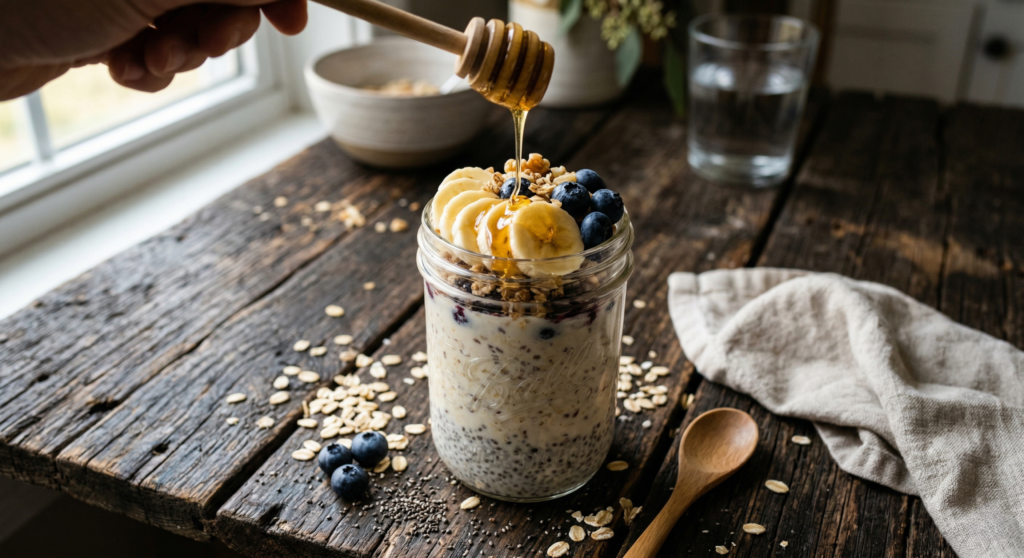
Contains many important bone nutrients
Most people think of milk when they think of strong bones. But chia seeds are a surprisingly good meal for bones. One serving delivers you roughly 18% of your daily calcium needs, which is more than many dairy products give you gram for gram.
Full of Antioxidants
Chia seeds are full of antioxidants, which are substances that keep your cells from getting hurt. Free radicals are molecules that aren’t stable and build up in your body due to stress, pollution, a bad diet, and just getting older. Your cells start to break down when there are too many free radicals and not enough antioxidants to neutralize them. This causes swelling, accelerates aging, and increases the risk of numerous illnesses.
Best Ways to Eat Chia Seeds
Here are some of the best ways to eat chia seeds, including proper soaking:
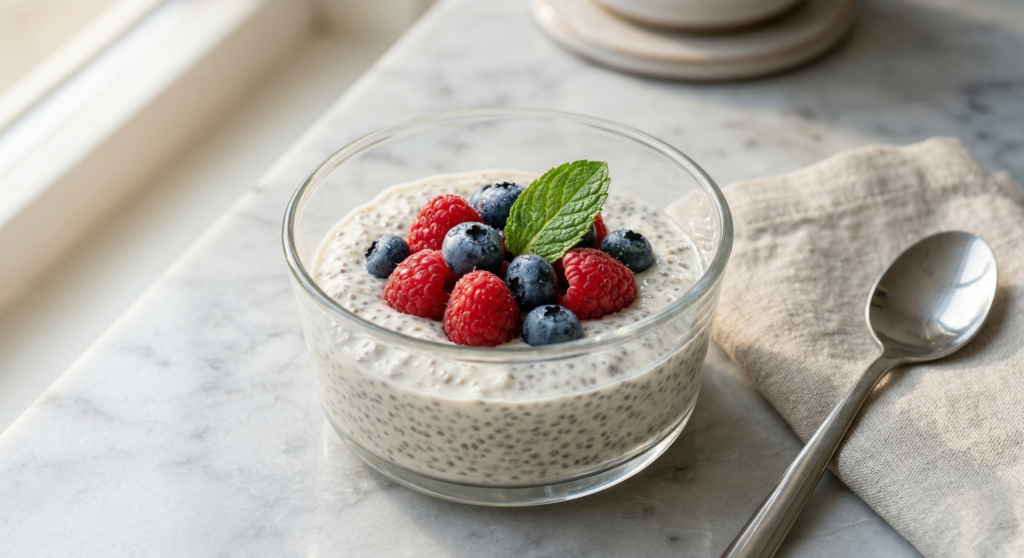
- Add 1 cup of milk to 3 tablespoons of chia seeds. Mix and refrigerate overnight. In the morning, add fruit on top.
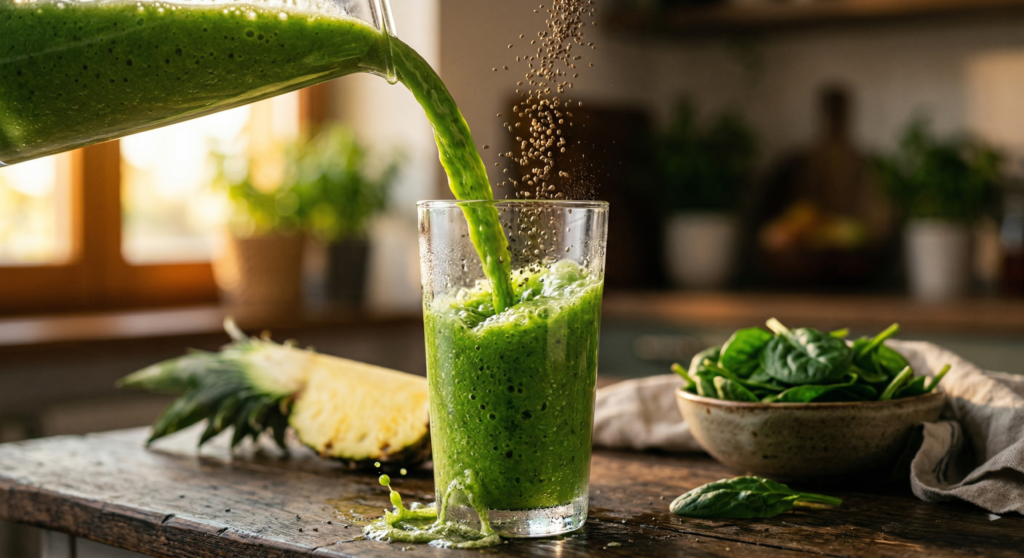
- Smoothies—Add 1 tablespoon to any smoothie. You won’t taste them, but they are full of nutrients.
- Overnight Oats—Mix oats with milk before bed. By morning, the oats will be thick and creamy.
- Yogurt—Mix Greek yogurt with honey and fruit. This is a quick, high-protein snack.
- Egg Replacer in Baking—Add 3 tablespoons of water to 1 tablespoon of chia seeds. Let it sit for five minutes. Use this mixture to replace one egg.
Overnight oats with chia seeds and a raspberry-lemon cheesecake flavor are among the best ways to enjoy chia seeds. It looks and tastes like a dessert, but it is full of nutrients and will keep you full all morning. Pairing this with smart nighttime eating choices is a great strategy—see our guide on what to eat at night to lose belly fat for more ideas.
FAQs
How many chia seeds should you eat a day?
Most experts say you should eat between 20 and 30 grams a day, which is about 1.5 to 2 teaspoons. If you’re new to this, start with one teaspoon a day and steadily increase the amount to avoid stomach pain.
What will happen if I consume chia seeds every day?
Over time, you may find that your digestion gets better, you feel fuller for longer, your energy stays steadier throughout the day, and your cholesterol and blood pressure slowly improve. The advantages add up over time, so it’s important to stick with it.
Do chia seeds help you lose abdominal fat?
No meal especially targets belly fat. But chia seeds help you lose weight by making you feel full longer and eat less throughout the day. They can undoubtedly assist when you eat a balanced diet and exercise regularly.
Is it healthy to eat a tablespoon of chia seeds every day?
Yes. One tablespoon provides about 5-6 grams of fiber, 2 grams of protein, and abundant omega-3 fatty acids. It’s a modest but significant nutritional boost, ideal for beginners. Is it safe to eat chia seeds if you have high blood pressure? Yes. Studies suggest frequent chia seed intake may help lower blood pressure in those with hypertension. Omega-3s, fiber, and magnesium synergistically support healthy blood pressure.
Conclusion:
People really do say good things about chia seeds, and they really are good for you. They are inexpensive, easy to find and use, and based on genuine science. Chia seeds are a great addition to your routine, whether you want to boost your heart health, lower your blood pressure, get more plant-based protein, support your gut, manage your weight, or eat a little healthier every day. For more simple, honest food advice, visit Good Food Remedies.
![What to Eat at Night to Lose Belly Fat [12 Sleep-Friendly Snacks]](https://www.goodfoodremedies.com/wp-content/uploads/2026/03/12-healthy-late-night-snacks-what-to-eat-at-night-to-lose-belly-fat.jpg-768x419.png)