The 17 Best High-Protein Foods to Add to Your Plate
The 17 Best High-Protein Foods to Add to Your Plate
Protein is the one nutrient that makes meals feel “worth it”—it keeps you full, supports lean muscle, and helps you build a plate that’s actually satisfying. If you want more practical nutrition guides like this, start at the Good Food Remedies homepage—then come back and use this list to upgrade your next grocery run.
This guide is built to answer real searches people type into Google, like: “What are the best high-protein foods?” “Which foods are highest in protein?” “Which protein is best for health?” “What’s the right amount of protein for me?” “Can I hit my protein goals without meat?” You’ll get clear targets, smart selection rules, and a complete list of 17 foods you can use daily.
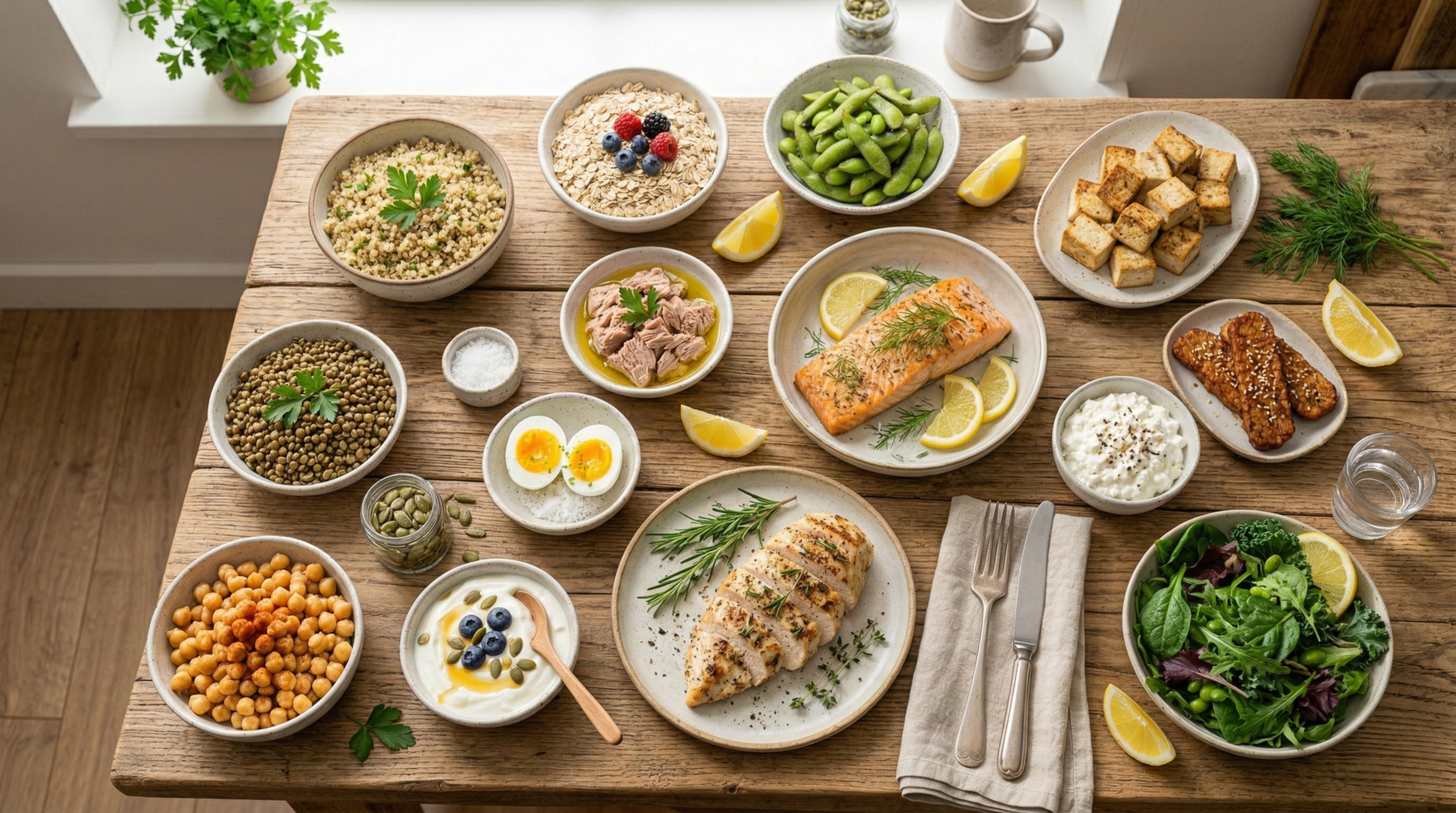
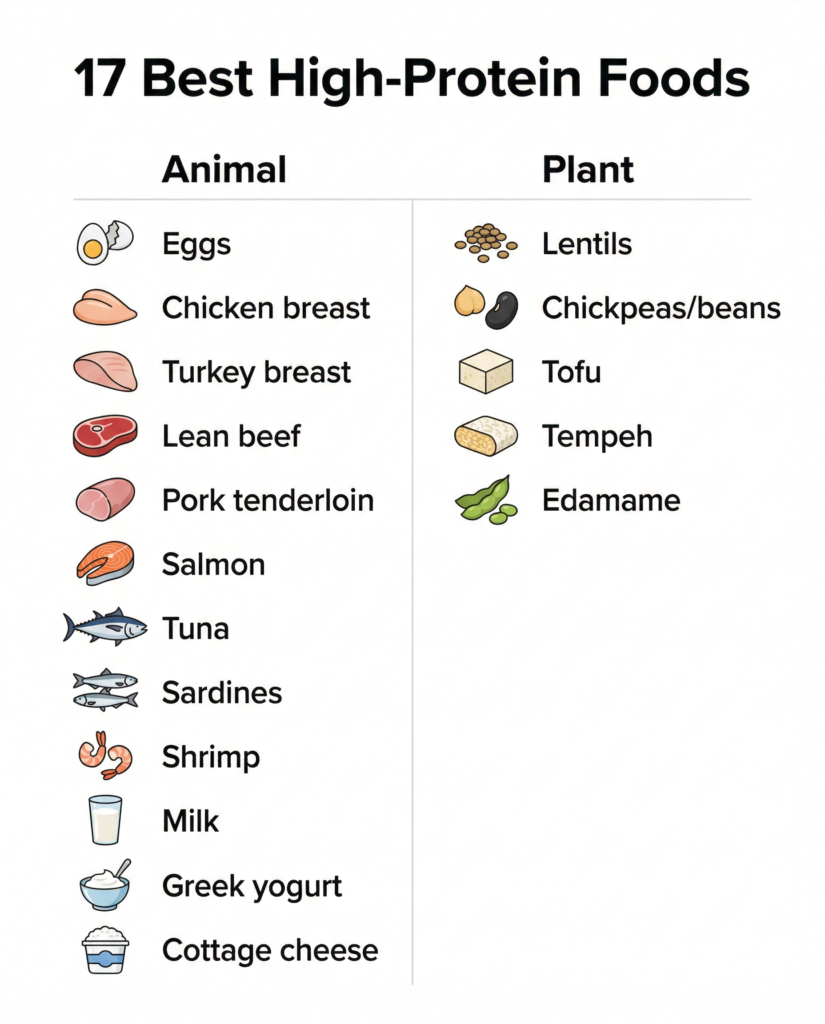
The 17 best high-protein foods (quick list):
- Eggs
- Chicken breast
- Turkey breast
- Lean beef
- Pork tenderloin
- Salmon
- Tuna
- Sardines
- Shrimp
- Milk
- Greek yogurt
- Cottage cheese
- Lentils
- Chickpeas/beans
- Tofu
- Tempeh
- Edamame
(You’ll also see where nuts/seeds and whole grains fit in—great for “protein boosting,” even if they aren’t always the highest per calorie.)
Why Protein Is So Important
Protein should be used by everyone. It’s essential because your body uses amino acids (from protein) to build and repair tissues, maintain muscle, and support enzymes and hormones that run everyday processes. When people increase protein the right way, they often notice three practical benefits:
1) Better fullness and fewer cravings
High-protein meals tend to keep you satisfied longer, which can make fat loss and maintenance easier because you’re not constantly fighting hunger. That’s one reason high-protein meal planning is common in weight-loss strategies (and why protein-forward lists are so popular). For a weight-loss angle with food ideas, you can also read High Protein Foods That Help with Weight Loss.
2) Muscle support (especially during dieting)
When you cut calories, your body may burn muscle as well as fat. Protein helps protect lean mass—important for strength, metabolism, posture, and long-term health.
3) More “useful meals” (higher nutrient density)
Many protein foods come packed with vitamins and minerals—like iron, zinc, calcium, B12, iodine, and omega-3s—so you’re not just hitting macros; you’re feeding your body.
How Much Protein Do We Really Need?
This is the most searched question—so here’s a clear, usable answer.
The baseline (minimum) target
Most official guidance uses 0.8 g of protein per kg of body weight per day as a general standard guideline for adults.
Examples:
- 60 kg person → 60 × 0.8 = 48 g/day
- 70 kg person → 70 × 0.8 = 56 g/day
- 80 kg person → 80 × 0.8 = 64 g/day
This is often described as a “basic needs” level—fine for many people, but not always “optimal” for body recomposition, high activity, or older adults.
When you may need more
Many experts recommend higher ranges for specific goals—especially for people who lift weights, are very active, are dieting, or are older and trying to preserve muscle. Practical ranges often land around 1.2–2.0 g/kg/day depending on training and goals (individual needs vary).
A simple “no-stress” method (works for most people)
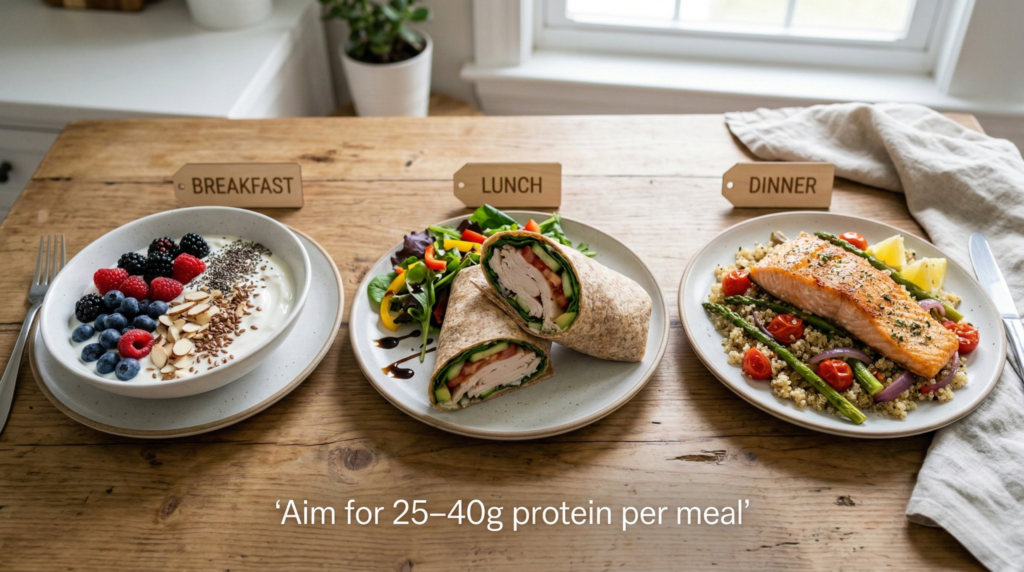
Instead of obsessing daily totals, aim for a steady 25–40 g protein per meal, adjusted for your body size and appetite. This is why foods like Greek yogurt, chicken, fish, eggs, tofu, lentils, and cottage cheese show up everywhere—they make that per-meal target realistic.
If you track labels, your life gets easier fast—use Read Nutrition Lables to learn exactly what to look for.
Important health note: If you have kidney disease or specific medical conditions, protein targets should be personalized by a clinician.
What Is a Good Protein Source?
Many people ask, “Which protein is best?” The best answer is: the one you can eat consistently that fits your body, budget, and digestion—but it should also meet quality checks.
Use this “3-part protein quality check”
A good protein source usually has:
- High protein per serving (and/or per calorie)
- Example: chicken breast, Greek yogurt, tuna, tofu, lentils
- Strong nutrient package (not just protein alone)
- Example: salmon (omega-3s), dairy (calcium), legumes (fiber + minerals)
- Low “protein taxes” (too much added sugar, deep-frying, or ultra-processed fillers)
- Example: flavored yogurts can hide sugar; some protein snacks are basically candy
To keep meals healthy without feeling strict, build around smart swaps—Healthy Substitution is great for that.
Don’t Miss
These are the quick wins that make your protein intake feel effortless (and very “Google-helpful”):
1) Hit protein early in the day
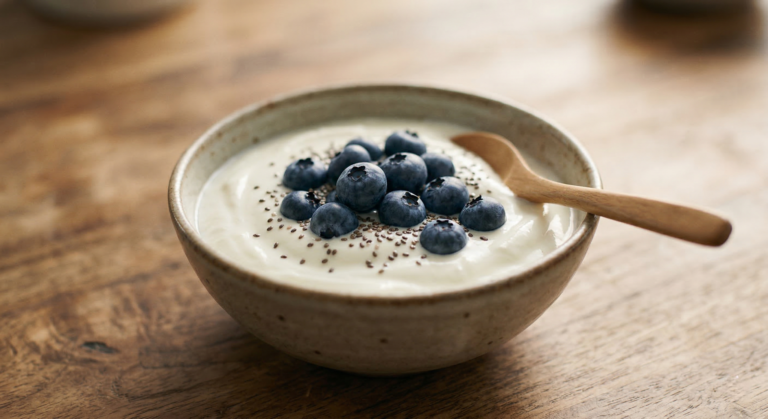
A protein-forward breakfast reduces the chance your day turns into snack chaos. If you like quick options, try ideas like yogurt + fruit (example inspiration: BreakFast Fruit Cup).
2) Plan one high-protein snack
Having one planned snack prevents random low-protein grazing. A smart evening option for many people is cottage cheese, yogurt, or a simple protein plate—see Best Night time Foods for Weight Loss: A Simple Guide.
3) Use “protein anchors”
Pick a single anchor per meal:
- Breakfast: eggs, Greek yogurt, or milk
- Lunch: choose chicken, turkey, or lentils
- Dinner: choose fish, lean meat, or tofu
Need more everyday meal ideas? 32 Easy Dinner Recipes For When You Don’t Know What to Cook can help you stay consistent.
4) Don’t forget real-life situations
School lunches, office days, travel days—protein matters there too. See School Lunches and Healthy Choices On the Go for practical structure.
The Best Animal-Based Protein Sources
Animal proteins are typically “complete proteins” (containing all essential amino acids) and often deliver a high protein-to-calorie ratio. They can be excellent—especially if you choose leaner cuts and simple cooking methods.
Eggs
Eggs are one of the most useful high-protein foods because they’re affordable, fast, and versatile. They work for breakfast bowls, sandwiches, and quick dinners.
Best ways to use eggs for protein:
- 2–3 eggs + extra egg whites (if you want higher protein without extra fat)
- Omelet with veggies + a side of Greek yogurt
- Hard-boiled eggs for an easy backup snack plan
Common query: Are eggs healthy every day?
For many people, eggs can fit well in a balanced diet—what matters most is your overall pattern (fiber, veggies, whole foods, and not relying on fried/add-on-heavy cooking).
Dairy Milk
Milk is underrated for protein because it’s easy to drink, mix, and cook with—plus it provides calcium and other nutrients. If your goal is simple daily consistency, milk can help you reach totals without extra meal prep.
Quick uses:
- Smoothies
- Oats made with milk
- Coffee + milk instead of sugary creamers
Greek Yogurt and Cottage Cheese
These are two of the easiest “high-protein hacks.”
Greek yogurt (especially plain) is thick, filling, and flexible: bowls, dips, sauces, baking.
Cottage cheese is famous for slow-digesting casein—many people use it as a night snack.
Want a practical recipe-style example? Greek yogurt shows up in healthier cooking like pancakes—see The Ultimate Guide How to Make Pancakes for a Healthy Lifestyle.
Fish
If you want protein + health benefits, fish is a top-tier choice. Here are the best high-protein fish options:
- Salmon (high in protein and omega-3 fats)
- Tuna (very high protein per calorie; easy for salads/wraps)
- Sardines (protein + healthy fats; usually budget-friendly)
- White fish (cod, tilapia—lean and protein-dense)
Organizations like the American Heart Association emphasize seafood (especially fatty fish) as part of heart-supportive eating patterns.
Chicken and Turkey
These are the tried-and-true “lean protein favorites,” especially:
- Chicken breast
- Turkey breast
They’re high-protein, easy to meal prep, and pair with almost any cuisine. If you need a recipe example that fits a high-protein plan, check Crispy Coated Chicken.
Common query: Is chicken good for weight loss?
It can be, because it’s filling and protein-dense—what changes the outcome is the cooking method (baked/grilled beats deep-fried and sauce-heavy).
Lean Beef and Pork
Red meat can be part of a high-protein diet—just choose lean cuts and keep portions reasonable.
Great picks:
- Lean beef (sirloin, top round, extra-lean mince)
- Pork tenderloin (unexpectedly lean)
If you want a broader list of nutrient-rich foods (including protein sources), see A List of 50 Super Healthy Foods.
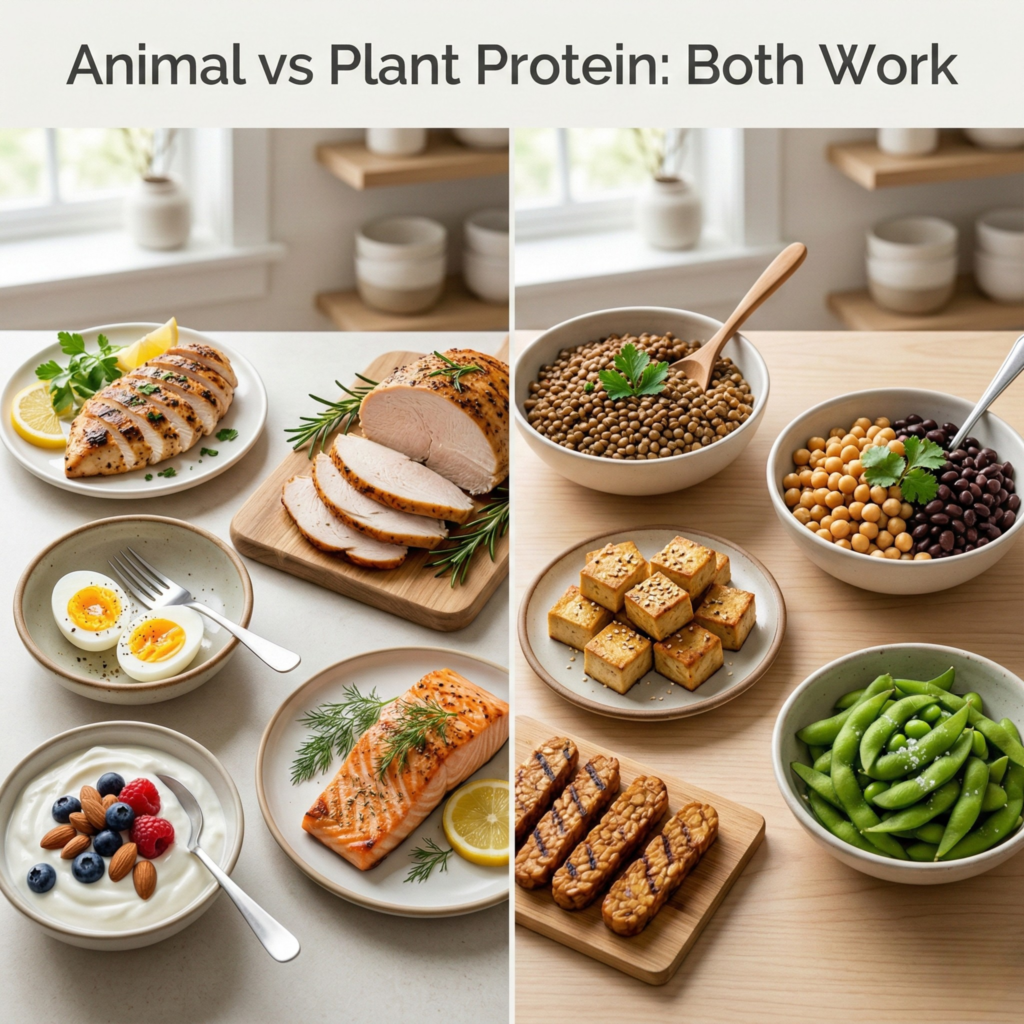
Best Plant-Based Protein Sources
Plant proteins can absolutely build a high-protein diet. The keys are:
- Use legumes + soy as your main anchors
- Combine with whole grains and seeds for better amino acid coverage across the day
- Don’t rely only on nuts (they’re healthy, but calorie-dense)
Beans and Lentils
If you want the best “protein + fiber” combo, legumes win.
- Lentils are one of the most effective plant proteins for everyday meals.
- Chickpeas, black beans, kidney beans are excellent for bowls, wraps, and soups.
Why they rank so high: They’re filling, budget-friendly, and help your plate feel bigger without adding ultra-processed foods.
Easy meals:
- Lentil stew + rice
- Chickpea salad wrap
- Bean chili with Greek yogurt on top
Tofu, Tempeh, and Edamame
Soy foods are some of the strongest plant proteins.
- Tofu: mild flavor, absorbs sauces, great in stir-fries
- Tempeh: firmer texture, nutty taste, often easier to build “meaty” meals with
- Edamame: a snack-friendly, high-protein option
Common query: Is soy protein “complete”?
Soy is considered a complete protein—one reason it’s a cornerstone for many plant-based eaters.
Nuts and Seeds
Nuts and seeds are excellent for boosting protein—but think of them as supporting players, not your main protein anchor, because calories climb fast.
Best options:
- Pumpkin seeds
- Chia seeds
- Hemp seeds
- Almonds
- Peanut butter (be mindful of added sugars)
How to make the most of them:
- Add to yogurt bowls
- Sprinkle on oats
- Blend into smoothies
For everyday balanced treats and snack strategies, see Healthy Choices.
Whole Grains
Whole grains aren’t usually “high protein” compared to meat/soy—but they matter because they raise your daily total and pair perfectly with legumes.
Good picks:
- Quinoa (one of the most protein-rich grains)
- Oats
- Whole wheat
- Brown rice
- Buckwheat
A realistic pattern is: lentils + quinoa, beans + brown rice, tofu + whole-grain noodles.
For recipe inspiration that can be adapted with extra protein, check The Ultimate Healthy Flapjack Recipe: Fuel Your Body & Weight Loss.
How to Build a High-Protein Plate (That Doesn’t Feel Like Diet Food)
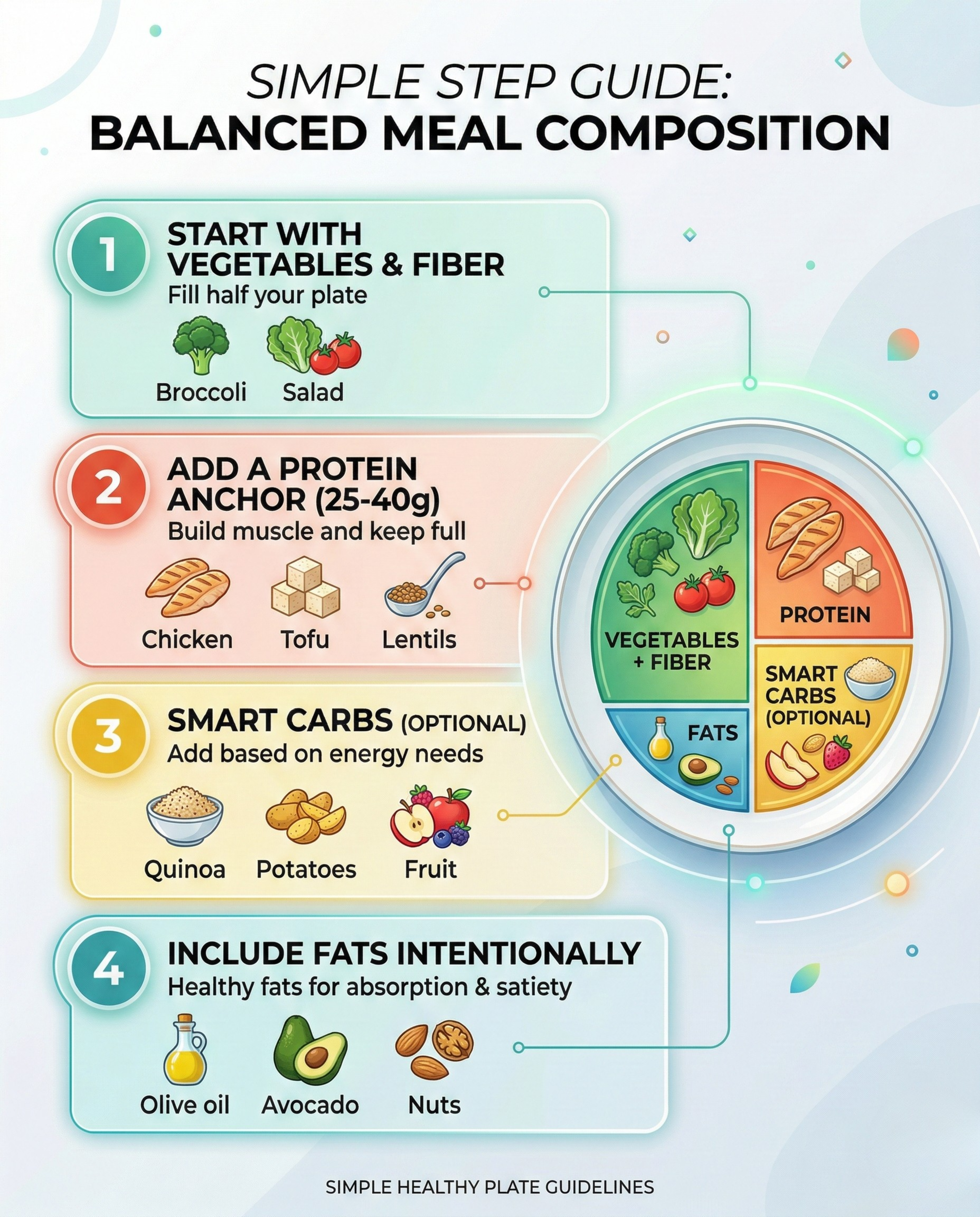
Stick to this simple formula:
Step 1: Pick one protein anchor (25–40 g)
Choose one:
- Chicken/turkey
- Fish
- Eggs + yogurt
- Lean beef/pork
- Tofu/tempeh
- Lentils/beans
Step 2: Add volume + fiber
- 2–3 cups vegetables, fresh or frozen
- Add beans or lentils if you want extra fullness
Step 3: Add smart carbs (optional, based on goals)
- Whole grains, fruit, potatoes, or rice
- Use portion control rather than removing carbs completely
Step 4: Add fats intentionally
- Fat sources: olive oil, nuts, seeds, avocado
(These improve satisfaction—just keep portions realistic.)
If you like trend-based foods but want them healthier, Viral Food Trends Hacked for Gut Health & Weight Loss can help you keep flavor while upgrading nutrition.
FAQs (Answering Real Google Queries)
1) What are the highest-protein foods?
Top “high protein per serving” options include chicken breast, turkey, tuna, Greek yogurt, cottage cheese, lean beef, shrimp, tofu/tempeh, lentils, and edamame.
2) How much protein do I need per day to lose weight?
Many people do well increasing protein above the basic minimum, especially during dieting, because it improves fullness and supports muscle. A common practical range is 1.2–2.0 g/kg/day, depending on activity and goals (individual needs vary).
3) Is 100g protein per day too much?
It depends on your body weight, activity, and health. For a 70 kg person, 100 g/day is ~1.4 g/kg—often reasonable for active people. If you have kidney disease or special medical needs, ask a clinician.
4) Can I build muscle with only plant protein?
Yes. Build meals around lentils/beans and soy foods (tofu, tempeh, edamame), then support with whole grains, nuts, and seeds.
5) What’s the best protein for breakfast?
Greek yogurt, eggs, cottage cheese, milk-based smoothies, tofu scramble, or a lentil/bean savory breakfast if you prefer.
6) Which protein is best for night time?
Many people like Greek yogurt or cottage cheese because they’re easy, filling, and consistent. For practical ideas, see Best nighttime foods linked above.
7) What counts as a complete protein?
A protein is “complete” when it contains all essential amino acids. Many animal foods are complete, and soy is also considered complete.
8) Are protein powders necessary?
Not necessary—food-first works for most people. Protein powder is just a convenience tool when you can’t hit targets with meals.
9) What’s the healthiest way to cook high-protein foods?
Prioritize grilling, baking, air-frying, boiling, steaming, and pan-searing with minimal oil. Limit deep-frying and sugar-heavy sauces.
10) How do I know if a packaged food is truly high-protein?
Check grams of protein per serving and compare it to calories, sugar, and ingredient quality. Use Read Nutrition Lables (linked above) as your guide.