A List of 50 Super Healthy Foods
A List of 50 Super Healthy Foods
Welcome to your ultimate guide to reclaiming your health through the power of nutrition. Whether you are searching for a complete lifestyle overhaul or just looking for healthy food to incorporate into your daily routine, finding the right source is the first step. Just as street couture blends bold, raw, and authentic elements to make a striking visual statement in the fashion world, a truly nourishing diet relies on whole, unprocessed ingredients to make a profound impact on your physical well-being. It is all about curating a lifestyle that looks good and feels even better.
In this comprehensive guide, we will explore an array of natural ingredients that support everything from achieving a healthy calorie deficit to optimizing your daily energy. We will dive deep into healthy recipes, effective strategies for weight loss, and uncover the secret to finding the right food to eat at night for weight loss without ruining your progress. Time to kickstart your path to feeling your absolute best.
Key takeaways
- Whole Foods Win: Prioritizing single-ingredient, unprocessed foods is the most effective way to improve your overall health.
- Targeted Nutrition: Understanding how to lose belly fat protein diet strategies can transform your metabolism and preserve lean muscle mass.
- Mind-Body Connection: Your brain is the pickiest eater in your body; feed it well. Incorporating specific foods that help you manage stress can significantly lower cortisol levels and improve your mood.
+1 - Balance is Everything: Achieving a sustainable calorie deficit is vital for weight loss, but it must be done with nutrient-dense foods so your body feels completely satisfied.
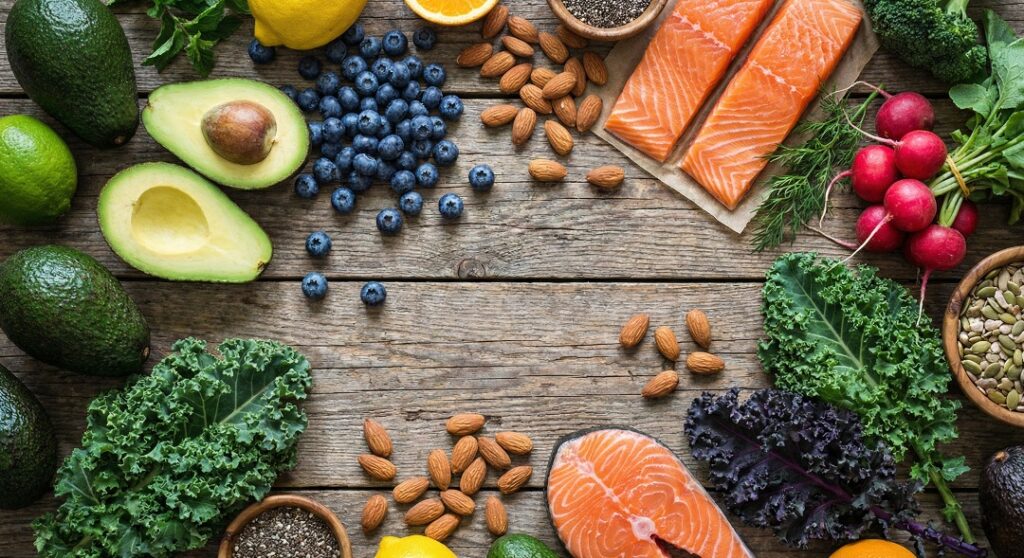
What makes food healthy?
A food is considered “healthy” when it provides a dense concentration of vital macronutrients (proteins, fats, and carbohydrates) and micronutrients (vitamins and minerals) without excessive added sugars, sodium, or artificial preservatives. Truly nourishing ingredients do more than just fill your stomach; they actively repair cells, support brain function, and aid in stress management. If you are exploring healthy recipes, your focus should always be on ingredients that are as close to their purest, most vibrant form.
1–6: Fruits and berries
Fruits and berries are the original guilt-free dessert. They are packed with antioxidants, fiber, and essential vitamins, making them incredibly beneficial for heart health and digestion.
1. Apples
Apples are incredibly high in fiber, vitamin C, and numerous antioxidants. They are the perfect crunchy snack to keep you full between meals, supporting a healthy calorie deficit by curbing sudden hunger pangs.
2. Avocados
Unlike most fruits, avocados are loaded with healthy fats instead of carbs. They are rich in oleic acid, potassium, and fiber. The healthy fats in avocados are highly satiating, making them an excellent addition to any meal plan focused on weight loss and hormone balance.
3. Bananas
Want to skip the muscle cramps? Bananas are your go-to source for world-class potassium. A high-fiber, B6-rich superfood. Because they help regulate blood sugar and provide a steady release of energy, bananas are fantastic foods that help you manage stress and anxiety throughout a busy workday.
4. Blueberries
Blueberries are widely considered a superfood due to their massive antioxidant payload. They help protect your body from oxidative stress and have been linked to improved brain function and memory retention.
5. Oranges
Famous for their vitamin C content, oranges are also high in fiber and antioxidants. Eating whole oranges rather than just drinking the juice ensures you get the fibrous benefits that aid in digestion and sustained energy levels.
6. Strawberries
Strawberries are a light snack, very healthy and low in calories. They are packed with vitamin C, manganese, and various plant compounds that protect against chronic diseases.
Other healthy fruits
Other notable mentions include cherries, grapes, grapefruit, kiwi, lemons, mangoes, melons, peaches, pears, pineapples, and plums. If you want to explore more fruity superfoods, check out our guide to super fruits.

7. Eggs
Eggs are packed with good things for your body. Previously demonized for their cholesterol content, whole eggs are now recognized as a vital component of a healthy diet. They are essential if you are researching how to lose belly fat protein diet protocols, as they provide high-quality protein and good fats that stop you from getting hungry.
8–10: Meats
Unprocessed, gently cooked meat is one of the most nutritious foods you can eat, provided you source it responsibly.
8. Lean beef
Lean beef is an outstanding source of protein, highly bioavailable iron, and vitamin B12. When consumed in moderation, it is a powerhouse for muscle building and repairing tissues, fitting perfectly into a high-protein weight loss regimen.
9. Chicken breasts
Chicken breast is incredibly low in fat and calories but extremely high in protein. It is a staple for athletes and anyone looking to shed body fat while maintaining lean muscle mass.
10. Lamb and mutton
Lambs are often grass-fed, and their meat tends to be high in Omega-3 fatty acids compared to grain-fed counterparts. It provides a rich, satisfying source of protein and essential minerals like zinc and selenium.

11–15: Nuts and seeds
Nuts and seeds are crunchy, filling, and loaded with essential nutrients, including magnesium and vitamin E.
11. Almonds
Almonds contain all the nutrients your body requires. including magnesium, fiber, antioxidants, and vitamin E. A modest handful will raise melatonin production and satisfy late-night hunger without raising blood sugar, therefore making them a great meal to consume at night for weight loss.
12. Chia seeds
A small spoonful of chia seeds significantly improves your health. One ounce (28 grams) boasts 11 grams of fiber as well as notable levels of calcium, magnesium, manganese, and several other nutrients.
13. Coconuts
Coconuts provide a unique type of saturated fat called medium-chain triglycerides (MCTs). MCTs are metabolized differently than other fats and can boost your metabolism and provide immediate energy to the brain.
14. Macadamia nuts
Macadamia nuts are delicious and very high in monounsaturated fats. They contain lower amounts of Omega-6 fatty acids than most other nuts, making them highly anti-inflammatory.
15. Walnuts
Walnuts are a great way to get the nutrients your body needs. They are exceptional for brain health and serve as a fantastic late-night snack due to their naturally occurring melatonin.
16. Brazil nuts
Just one or two Brazil nuts a day provide your entire daily recommended intake of selenium, a mineral crucial for thyroid function and a healthy immune system.
17–26: Vegetables
Get the most out of your meals by loading up on vegetables. They are the world’s most concentrated sources of nutrients. They are low in calories but exceptionally high in vitamins, minerals, and dietary fiber.
17. Asparagus
Asparagus is a popular vegetable that is low in carbs and calories but loaded with vitamin K. It naturally helps reduce bloating by flushing out water.
18. Bell peppers
Bell peppers come in several colors and are sweet, crunchy, and an excellent source of antioxidants and vitamin C.
19. Broccoli
Broccoli is that perfect healthy green you can snack on raw or toss into a hot meal. It is an excellent source of fiber, vitamin C, and vitamin K, and contains a decent amount of protein.
20. Carrots
Carrots are a classic, everyday vegetable. They are extremely crunchy loaded with fiber, vitamin K, and beta-carotene, which is brilliant for eye health..
21. Cauliflower
Cauliflower is a healthy vegetable you can use in almost any meal. It can be used to make a multitude of healthy dishes—and tastes good on its own too.
22. Cucumber
Cucumbers are a refreshing, watery snack with almost no calories. This makes them incredibly hydrating and perfect for a refreshing summer salad.
23. Garlic
Adding garlic to your food is a great way to stay healthy. It contains allicin, a bioactive compound with powerful immune-boosting and antimicrobial properties.
24. Kale
Kale has become increasingly popular because it is incredibly high in vitamin C, vitamin K, and antioxidants. It is a fantastic leafy green to add to smoothies or salads.
25. Onions
Onions have a very strong flavor and are widely used in healthy vegetable recipes. They contain a number of bioactive compounds believed to have powerful health benefits.
26. Tomatoes
Tomatoes are technically a fruit but are usually categorized as a vegetable. They are delicious and packed with potassium and vitamin C.
More healthy vegetables
Keep your meals exciting by adding a bright mix of fresh vegetables. You can include cabbage, brussels sprouts, lettuce, eggplant, leeks, celery, mushrooms, radishes, squash, Swiss chard, turnips, and zucchini in your weekly grocery haul.
27–32: Fish and seafood
Fish is amazing for your heart and body. They are loaded with omega-3 fats for your brain and iodine for your energy.
27. Salmon
People love salmon because it has an amazing flavor and powerful health benefits. It is loaded with protein and Omega-3s, which are essential for stress management and brain health.
28. Sardines
Among the most nutritionally rich foods you may eat, sardines are little, oily fish. They offer great quantities of practically every nutrient your body needs.
29. shellfish
Regarding nutritional density, shellfish is similar to organ meats. Clams, oysters, and mollusks are edible shellfish.
30. Shrimps
Shrimp is a crustacean related to lobster and crabs. It is often heavy in protein but low in fats and calories. It is also packed with several more nutrients, among them vitamin B12 and selenium.
31. Trout
Like salmon, trout is another delectable oily fish from freshwater. It offers a great supply of protein and good fats.
32. Tuna
Tuna is relatively high in protein but low in calories and fat. It is ideal for those who wish to maintain a low calorie count but need to include extra protein in their meals. Learn more about oceanic superfoods in our seafood nutrition guide.
33–35: Cereals
One needs whole grains in a well-balanced diet. They provide crucial complex carbohydrates for ongoing energy.
33. Brown rice
Among the most consumed cereal grains, rice is now a daily food for over half of all humans. With respectable levels of fiber, vitamin B1, and magnesium, brown rice is quite nutrient-dense.
34. Oats
Oats have great health benefits. Loaded with nutrients and strong fibers known as beta-glucans, they offer several advantages including cholesterol lowering.
35. Quinoa
Health-conscious people have come to love quinoa very much recently. A great provider of plant-based protein, it is a delicious grain rich in nutrients including magnesium and fiber. To complete your diet, learn more about healthy whole grains.
36-37 Breads
Many people consume heavily processed white bread. For those wishing to follow a more nutritious diet, there exist many superior alternatives.
36. Ezekiel bread
Ezekiel bread may be the most nutritious store-bought bread. It is produced from organic, sprouted whole grains together with several legumes.
37. Low carb and gluten-free breads baked at home
Usually the finest option for bread is the one you create yourself. You thus avoid hidden sugars and preservatives by controlling the ingredients. Learn in our gluten-free baking center how to create your own.
38–41: Legumes
Protein, iron, and fiber from legumes make an excellent plant-based source.
38. Green beans
Also known as string beans, green beans are immature kinds of the common bean. They give any meal great crispness and are quite well-known in Western nations.
39. Beans, kidney
Fiber and several vitamins and minerals abound in kidney beans. Given their toxicity when raw, be sure you cook them well.
40. lentils
Among other well-known legumes are lentils. Among the finest sources of plant-based protein, they have a lot of fiber. Discover more about replacing meat with plant-based legumes.
41. Peanuts
Though they are legumes not true nuts, peanuts are very delectable and nutrient- and antioxidant-rich. Provided you select a brand free of hydrogenated oils and extra sugar, peanut butter is a great high-protein snack.
Dairy 42–44:
Dairy products are a nutritious source of several vital elements for individuals who can stand them.
42. Cheese
One cheese slice might offer roughly the same nutritional value as an entire cup of milk. Offering calcium, vitamin B12, and good fats, many find it among the tastiest meals you may consume.
43 Dairy milk
Vitamins, minerals, premium animal protein, and good fats abound in whole milk. Moreover, it is among the finest dietary calcium sources.
44. Yogurt
Milk is fermented by adding live bacteria to produce yogurt. Although yogurt with live cultures has the added advantage of friendly probiotic germs—which are essential for intestinal health—it has many of the same health benefits as milk. Find more dairy advantages in our dairy nutrition facts.
45–46: Fats and oils
Brain function, hormone synthesis, and the absorption of fat-soluble vitamins depend on good fats.
45. Extra-virgin olive oil
Extra-virgin olive oil is one of the healthiest vegetable oils on earth. Rich in antioxidants, it has heart-healthy monounsaturated fats.
46. Coconut oil
Coconut oil contains relatively high amounts of MCTs, which may aid in Alzheimer’s disease management, and has been shown to help you lose belly fat. Check out our deep dive into healthy fats for more cooking tips.
47–48: Tubers
Some plants’ storage organs, tubers often have several helpful nutrients.
47. Potatoes
Loaded with potassium, potatoes also have tiny amounts of almost all the nutrients you need, including vitamin C.. They can be incredibly satiating when boiled, making them great for appetite control.
48. Sweet potatoes
Among the tastiest starchy foods you can consume are sweet potatoes. They are loaded with antioxidants and all sorts of healthy nutrients, particularly beta-carotene.
49. Apple cider vinegar
Natural health circles really like apple cider vinegar. Research suggests it can cause little weight loss and lower blood glucose. Dilute a tablespoon in a glass of water before meals to aid digestion. Discover more apple cider vinegar remedies on our site.
50. Dark chocolate
Dark chocolate is loaded with magnesium and serves as one of the most powerful sources of antioxidants in existence. A small square of dark chocolate (70% cocoa or higher) is one of the top foods that help you manage stress, promoting endorphin release.
Frequently asked questions
What are the 20 most healthy foods?
While it’s hard to narrow down the absolute top 20, generally, a mix of leafy greens (kale, spinach), berries (blueberries, strawberries), lean proteins (salmon, eggs, chicken breast), nuts and seeds (almonds, chia seeds), and cruciferous vegetables (broccoli, cauliflower) make up the most nutrient-dense foods on the planet.
What foods are healthy to eat every day?
For daily consumption, prioritize water-rich vegetables like cucumbers and bell peppers, leafy greens, a handful of mixed nuts, berries, and high-quality proteins like eggs or legumes. These ensure a steady intake of fiber, vitamins, and minerals.
What is the #1 healthiest food?
There is no single “healthiest” food, as the human body requires a diverse spectrum of nutrients. However, if forced to choose foods with the highest nutrient-to-calorie ratio, dark leafy greens like watercress, spinach, and kale consistently top the charts, alongside omega-3 rich wild-caught salmon.
The bottom line
Whether you want to redesign your lifestyle completely or simply find healthy food to eat at night for weight loss, the power is on your plate. Emphasizing whole, unprocessed foods—from organic vegetables and fresh berries to high-quality proteins and healthy fats—is the cornerstone of vibrant health. Remember, transforming your body and managing stress through nutrition isn’t about extreme restrictions; it’s about smart, sustainable choices.
Thank you for exploring this comprehensive list with Good Food Remedies. Keep fueling your body with the best nature has to offer!


One Comment