Belching, gas and bloating: Tips for reducing them at Home
Belching, gas and bloating: Tips for reducing them at Home
Dealing with digestive discomfort can feel like an uphill battle, but you are not alone in this fight. Almost everyone experiences gas and bloating at some point, and while it is often just a natural part of the digestive process, it can sometimes be embarrassing or painful. At Good Food Remedies, we believe that simple, natural changes to your lifestyle and diet can make a world of difference. Understanding the root causes of your symptoms is the first step toward reclaiming your digestive comfort. Whether it’s tweaking what you eat or changing how you eat it, the solutions are often closer to home than you think.
This comprehensive guide explores practical home remedies and lifestyle adjustments to help you beat the bloat. We will break down exactly what is happening in your body and provide actionable tips to help you feel lighter and more energetic. For more insights on maintaining a balanced lifestyle, explore our Healthy Living section, where we dive deeper into holistic wellness.
Belching: Getting rid of excess air
Belching, commonly known as burping, is your body’s natural way of expelling excess air from your upper digestive tract. While it is a normal bodily function, excessive belching can be uncomfortable and socially awkward. It often signals that you are swallowing too much air, a condition known as aerophagia.
Swallowing Air (Aerophagia)
The most common cause of belching is swallowing too much air. This often happens when you eat or drink too quickly, talk while eating, chew gum, suck on hard candies, or drink carbonated beverages. This swallowed air never reaches the stomach but accumulates in the esophagus.
To combat this, mindfulness during meals is key. Healthy living starts with how you eat, not just what you eat.
Quick Fixes:
- Eat and Drink Slowly: Taking your time with meals allows you to chew food thoroughly and reduces the air intake. If you are looking for meal ideas that are easy to savor, check out our Recipe Finder.
- Avoid Carbonation: Beer and soft drinks release carbon dioxide gas. Limit fluid intake to water and herbal tea options
- Skip the Gum: Chewing gum encourages you to swallow more often, increasing air intake.
- Check Your Dentures: Poorly fitting dentures can cause you to swallow excess air when eating and drinking.
Acid Reflux
Sometimes, belching is related to gastroesophageal reflux disease (GERD). If you experience heartburn along with belching, treating the reflux may resolve the gas issue. Chronic acid reflux can often be managed with dietary changes. For instance, avoiding overly spicy or fatty foods is often recommended. If you need inspiration for gentler meals, our Lentil Stew is a fantastic, gut-friendly option that is easy on the stomach.
Flatulence: Gas buildup in the intestines
Flatulence, or passing gas, is a normal biological process. However, when gas builds up in the intestines, it can cause pain and cramping. This gas is typically produced by bacteria in the colon (large intestine) as they ferment carbohydrates that haven’t moved through the small intestine for final breakdown.
Dietary Triggers
Certain foods are notorious for causing gas because they contain complex sugars and fibers that your body struggles to break down. While fiber is essential for a healthy lifestyle, introducing it too quickly can cause issues.
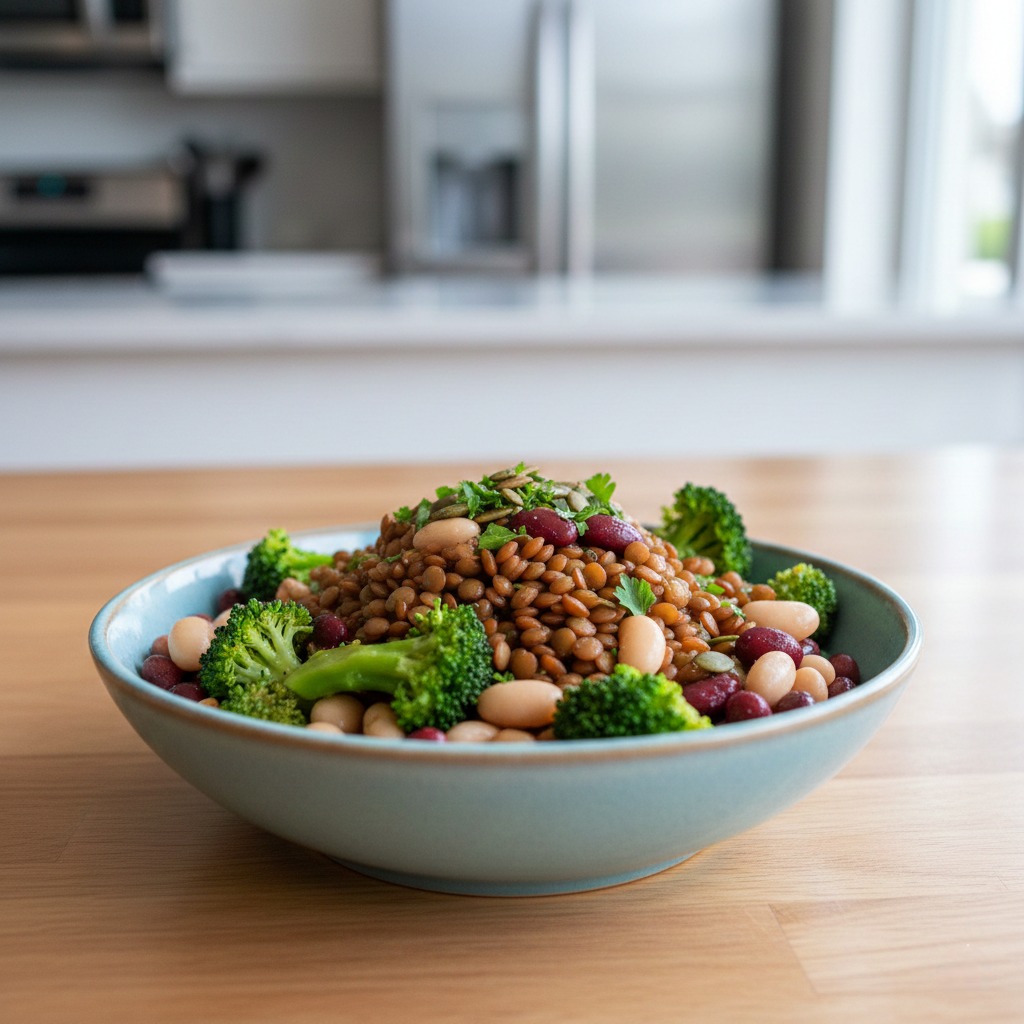
- Beans and Lentils: While healthy, they contain raffinose, a complex sugar that produces gas. Properly soaking beans or using recipes like our Lentil Stew can sometimes help mitigate this if cooked thoroughly.
- Cruciferous Vegetables: Broccoli, cauliflower, cabbage, and Brussels sprouts are high in fiber and sulfur, leading to gas.
- Dairy Products: If you are lactose intolerant, you lack the enzyme to digest milk sugars, leading to fermentation and gas. If you crave something creamy but want to avoid heavy dairy, try our Guiltless Banana Pudding, which offers a satisfying texture without the heavy cream that often triggers bloating.
Actionable Tip: If you suspect a specific food is the culprit, try an elimination diet. Remove the suspected food for a week and see if symptoms improve. You can find more advice on managing your diet in our Healthy Living articles.
Bloating: Common but not fully understood
Abdominal bloating is characterized by a subjective feeling of gastrointestinal pressure or visible distension. Unlike gas, which is about the volume of air, bloating is often a sensation of increased pressure. It is a common complaint but is not fully understood by medical science in all cases.
Visceral Hypersensitivity
Some people do not actually have more gas in their abdomen than others; they just feel it more intensely. This condition, known as visceral hypersensitivity, is often linked to Irritable Bowel Syndrome (IBS). The nerves in the gut overreact to normal amounts of gas or stretching, signaling pain and bloating to the brain. Managing stress through movement can help; visit our Get Moving page for light exercises that can reduce stress-induced gut sensitivity.
Fluid Retention
Eating too much salt can cause your body to hold onto water, leading to a feeling of bloat. This is different from gas bloat but feels very similar. Reducing sodium intake and drinking more water can help flush out excess salt. When cooking at home, using fresh ingredients instead of processed ones can drastically reduce your salt intake. Browse our Recipe Finder for low-sodium meal inspiration.
When to see your doctor
While most gas and bloating can be managed with home remedies, persistent symptoms could signal a more serious underlying condition. At Good Food Remedies, we always advocate for listening to your body. You should consult a healthcare professional if your bloating is accompanied by:
- Persistent or severe abdominal pain.
- Bloody stools or changes in stool color and frequency.
- Unexplained weight loss.
- Chest pain.
- Persistent nausea or vomiting.
These symptoms could indicate conditions such as celiac disease, severe IBS, or other gastrointestinal disorders that require medical intervention.
Related content
- Understanding Gut Health: Learn how your microbiome affects your overall wellness by reading our latest Healthy Living posts.
- The Low-FODMAP Diet: A comprehensive guide to reducing fermentable carbs.
- Natural Teas for Digestion: Why peppermint and ginger are your best friends.
- Stress and Digestion: How your mental state impacts your gut. Check out our tips on how to Get Moving to reduce stress.
Products & services
At Good Food Remedies, we recommend keeping a few essentials on hand to manage sudden flare-ups. While we focus on natural food solutions, sometimes supplements can aid the transition:
- Peppermint Oil Capsules: Known to relax the muscles of the GI tract.
- Probiotic Supplements: To help balance your gut bacteria.
- Digestive Enzymes: Supplements like Beano or lactase pills can help break down complex sugars before they cause gas.
For more recommendations on integrating healthy choices into your life, visit our SNAP-Ed resources which help families stretch their food dollars while maintaining nutrition.
Advertising & Sponsorship
We are committed to providing unbiased information. Our editorial content is not influenced by our sponsors. Advertising helps support our mission to bring you free, high-quality health information. If you have questions about our policies, please Contact Us.
Fuel groundbreaking medical research!
While home remedies are effective for symptom management, ongoing medical research is crucial for understanding chronic conditions like IBS and Crohn’s disease. Supporting research helps scientists uncover the biological mechanisms behind bloating and develop new, targeted therapies.
About Good Food Remedies
Note: The following sections are included as per the structural request. For Good Food Remedies, this section serves as a reference to the high standards of medical information we aspire to.
Good Food Remedies is a nonprofit organization committed to clinical practice, education, and research, providing expert, whole-person care to everyone who needs healing.
Medical Professionals
Medical professionals play a vital role in diagnosing chronic digestive issues. Gastroenterologists specialize in the digestive tract and can perform necessary tests like endoscopies or breath tests to rule out bacterial overgrowth (SIBO).
Businesses
Promoting gut health is becoming a priority for many businesses, from corporate wellness programs to food manufacturers creating gut-friendly products. We at Good Food Remedies encourage businesses to prioritize employee health through better food choices.
Students
For students studying nutrition and dietetics, understanding the mechanics of gas and bloating is fundamental. It involves mastering the chemistry of digestion and the biology of the microbiome. Our Recipe Finder is a great resource for students looking to understand practical application of nutritional theory.
Researchers
Researchers are currently investigating how specific strains of bacteria influence gas production. This research is paving the way for personalized probiotics that could one day cure chronic bloating.
International Patients
Digestive health is a global concern. Dietary staples vary by culture, and what causes bloating in one population (like dairy in East Asia) might be a staple in another (like Northern Europe). Understanding these differences is key to global health solutions.
Charitable Care & Financial Assistance
Access to healthcare should not be a luxury. Many organizations provide financial assistance to help patients manage chronic gastrointestinal conditions that require expensive medication or dietary management. Our SNAP-Ed page also provides resources for budget-friendly healthy eating.
Follow Us
Stay connected with us for the latest tips on healthy living. Follow Good Food Remedies on social media for daily inspiration and community support.
Cookies on GoodFoodRemedies.com
Note: This heading refers to cookie policies typical of major health websites. Good Food Remedies also uses cookies to enhance user experience.
Manage cookie preferences
You have the right to control your digital footprint. Most websites allow you to manage your cookie preferences to ensure your data is used in a way you are comfortable with. For more on how we handle data, please read our Privacy Policy.
Gas: Beat The Bloat
Gas is a natural byproduct of digestion, but “beating the bloat” requires a proactive strategy. It involves a combination of dietary discipline, physical activity, and mindfulness. A great way to start is by incorporating regular exercise; see our Get Moving section for easy starter routines.
The Passing Of Gas
Passing gas, or flatus, happens 13 to 21 times a day on average. It’s actually a great sign that your gut is doing exactly what it’s supposed to. Holding it in can cause pain and bloating. If you are in a comfortable environment, do not suppress the urge.
Bacterial Fermentation
The colon is home to trillions of bacteria. When undigested carbohydrates (fiber, resistant starch, and some sugars) reach the colon, these bacteria ferment them. This fermentation produces hydrogen, carbon dioxide, and sometimes methane gas.
- Probiotics: Adding beneficial bacteria (via yogurt or supplements) can sometimes help regulate this fermentation process, reducing gas production. You can find recipes that incorporate natural probiotics in our Recipe Finder.
Behaviors, Food Choices And Activity
Your daily habits significantly influence how much gas you produce. Sedentary lifestyles slow down digestion, giving bacteria more time to ferment food and produce gas.
Movement is Medicine: A simple 15-minute walk after meals can help move gas through the digestive tract and prevent it from getting trapped. If you aren’t sure where to start, our guide on how to Get Moving offers simple tips for incorporating walking into your daily routine.
Behaviors And Food Choices That Can Lead To Gas
Identifying your personal triggers is the most effective way to reduce gas. This requires honesty about your diet and habits.
Behaviors
- Smoking and Aerophagia: Tobacco use often leads to involuntary air ingestion during the inhalation process.
- Drinking through a straw: This increases air intake.
- Rushing meals: Eating on the go or while stressed disrupts digestion. Slow down and enjoy meals like our Cheesy Crunchy Chicken Dippers which are best enjoyed with family, not on the run.
Foods
- High-Fructose Corn Syrup: Found in many processed foods and sodas, this sweetener is difficult for many people to digest.
- Sugar Alcohols: Sweeteners like sorbitol, mannitol, and xylitol found in sugar-free gum and candies often cause diarrhea and gas.
- Fatty Foods: Fat slows down stomach emptying, which can increase the sensation of fullness and bloating. Instead of deep-fried foods, try lighter alternatives. For example, our Cheesy Crunchy Chicken Dippers are a crowd-pleaser that can be made in a healthier way than fast-food alternatives.
Natural And Other Remedies For Gas
If you are already feeling bloated, here are some immediate remedies. Many of these utilize ingredients you might already have or can find discussed in our Healthy Living blog.
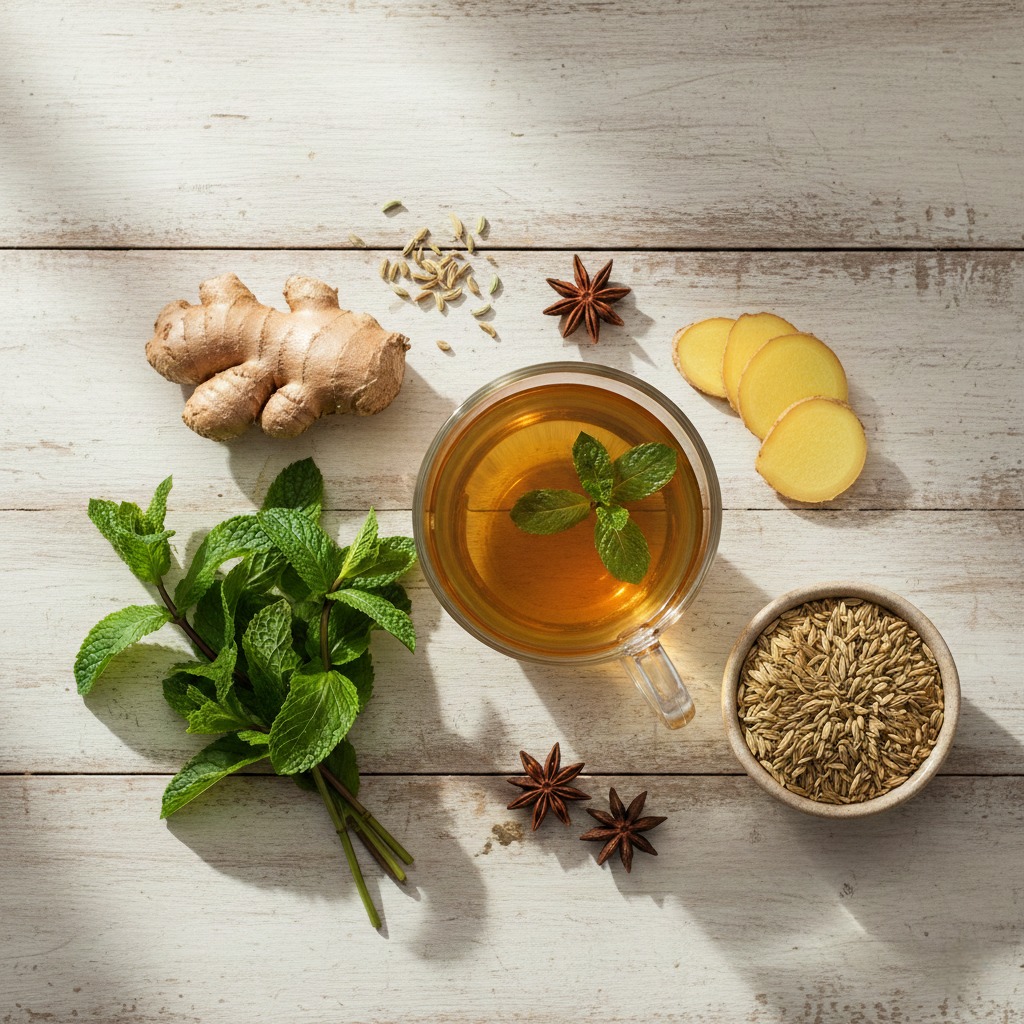
- Peppermint Tea: Peppermint contains menthol, which has an antispasmodic effect on the smooth muscles of the digestive tract. It can help relieve the cramping pain associated with gas.
- Ginger: Fresh ginger or ginger tea stimulates saliva, bile, and gastric enzymes to aid in digestion of food.
- Chamomile Tea: Known for its anti-inflammatory properties, chamomile can soothe an upset stomach and reduce gas.
- Heat Application: Placing a hot water bottle or heating pad on your stomach can relax the muscles and get that trapped gas moving again.
- Activated Charcoal: Taken before and after meals, activated charcoal may help reduce gas volume, though research is mixed. Consult your doctor before using it as it can interfere with medication absorption.
- Simethicone: Over-the-counter gas relief drops (like Gas-X) work by breaking up gas bubbles in the gut, making them easier to pass.
For more natural remedy ideas, don’t hesitate to explore the Good Food Remedies Home Page where we feature new tips weekly.
When To Be Concerned
It’s completely normal to feel a bit puffy after a meal once in a while. However, if your bloating is accompanied by a change in bowel habits that persists for more than a couple of weeks, it’s time to pinpoint the source. Conditions like Small Intestinal Bacterial Overgrowth (SIBO), where bacteria migrate from the colon to the small intestine, require antibiotic treatment. Similarly, lactose intolerance or fructose malabsorption can be diagnosed with simple breath tests. If you are worried about your diet’s role in this, review our Healthy Living section for guidance on balanced eating.
Nutrition and Lifestyle Tips
To maintain a bloat-free life in the long term, adopt these Good Food Remedies principles:
- Hydrate: Drink plenty of water throughout the day, but try not to drink large amounts during meals, this can weaken the enzymes that break down your food.
- Chew Your Food: Aim for 20-30 chews per bite. Think of your mouth as the “prep station” for your entire digestive tract.
- Cook Your Veggies: Steaming or roasting vegetables breaks down some of the hard-to-digest fibers, making them gentler on your gut than raw vegetables. You can find excellent recipes for cooked vegetables in our Recipe Finder.
- Utilize Symptom Tracking: Record food consumption to correlate specific ingredients with digestive outcomes.
- Prioritize Sleep: Lack of sleep can increase stress, which in turn affects your gut health. Read more about the connection between rest and health in our Healthy Living archives.
- Regular Exercise: Consistent movement helps stimulate the lymphatic system and digestion. Even light activities found in our Get Moving section can be highly effective.
By understanding the mechanics of your digestive system and applying these targeted home remedies, you can significantly reduce bloating and help you feel like the best version of yourself every day. Keep in mind that a balanced gut is the foundation of a vibrant mind and body. For more continuous support on your health journey, bookmark Good Food Remedies and check back often for new content.
A Holistic Approach to Gut Health
Gut health is rarely about just one thing. It is about the synergy of diet, exercise, and mental well-being.
- Mindful Eating: Put down the phone and turn off the TV while you eat. Divided attention while consuming food often results in insufficient mechanical breakdown and caloric surplus..
- Portion Control: Large meals put a heavy load on your digestive system. Instead of three big meals, try “grazing” on smaller portions more often. Our Recipe Finder has many options for small, nutrient-dense snacks.
- Fiber Balance: While fiber is good, too much too soon is bad. Increase intake gradually.
- Limit Artificial Sweeteners: These are often hidden in “diet” foods and can wreak havoc on your gut bacteria.
- Trust Your Gut: If a “superfood” makes you feel like garbage, it’s not a superfood for you. Stop eating it!
We hope this guide helps you navigate the complexities of digestive health. Remember, at Good Food Remedies, we are here to support your journey to a healthier, happier you. Whether you need a new workout routine from our Get Moving page or a delicious dinner idea from our Recipe Finder, we have you covered.
Final Thoughts on Bloating
Think of bloating as your body’s “check engine” light for digestion. It’s a little nudge from your gut that your routine needs a tweak. It might be stress, it might be diet, or it might be speed. By listening to that message and applying the remedies outlined above, you can turn that message into a roadmap for better health. Don’t forget to share your journey with us via our Contact Us page—we love hearing your success stories!
If you found this article helpful, please explore more of our content on Good Food Remedies. We update our Healthy Living and Recipe Finder sections regularly to bring you the best in natural health and wellness.
FAQs (Frequently Asked Questions About Gas and Bloating)
How can I get rid of bloating fast?
To relieve bloating quickly, try drinking a cup of peppermint or ginger tea to relax your digestive muscles. A brisk 15-minute walk can also help move trapped gas through your system. applying a heating pad to your stomach or taking an over-the-counter simethicone supplement are also effective immediate remedies.
Why do healthy foods like broccoli and beans cause gas?
Healthy foods like beans, lentils, broccoli, and cabbage are high in fiber and complex sugars (like raffinose). Because your body cannot fully break these down in the stomach, they travel to the colon where bacteria ferment them, producing gas as a natural byproduct.
Is it normal to pass gas every day?
Yes, it is completely normal. The average person passes gas between 13 and 21 times a day. It is a sign that your digestive system is functioning and your gut bacteria are active.
When should I see a doctor about bloating?
You should see a doctor if your bloating is accompanied by persistent abdominal pain, blood in your stool, unexplained weight loss, chest pain, or frequent vomiting. These could be signs of underlying conditions like IBS, Celiac disease, or SIBO.
Does drinking water help with bloating?
Yes. While it seems counterintuitive, drinking water helps flush out excess sodium (salt) that causes fluid retention. However, try to sip water throughout the day rather than chugging large amounts during meals, which can dilute digestive enzymes.
Can stress cause stomach bloating?
Absolutely. The gut and brain are connected via the vagus nerve. Stress can trigger “visceral hypersensitivity,” making you feel bloated even with normal amounts of gas. It can also slow down digestion, allowing bacteria more time to ferment food.