High Protein Foods That Help with Weight Loss
High Protein Foods That Help with Weight Loss
Weight loss frequently appears as though it demands endless self-control – an ongoing fight with appetite, urges to eat certain foods, one’s stamina dropping throughout the day. Perhaps ease in shedding pounds does not stem from reduced intake alone – maybe clarity lies instead within how choices are made at mealtimes.
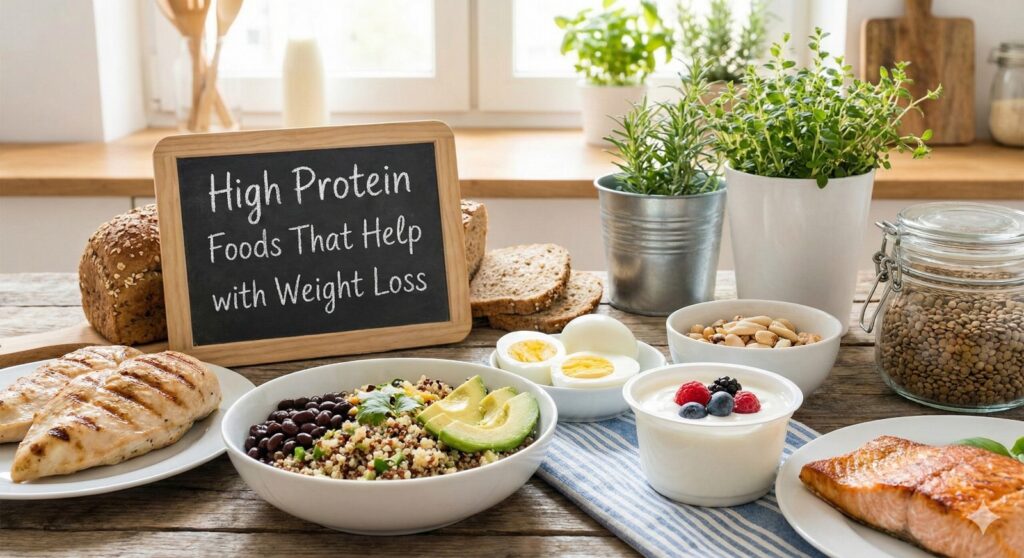
You don’t need a PhD in nutrition to be living healthy. Shifting how you eat might start with one simple focus – protein. What matters most is choosing foods found in nature, not packages. Real ingredients build better results than processed versions. At Good Food Remedies, choices come from plants, animals, and earth, not factories.
Protein takes center stage when it comes to losing weight, supported by consistent evidence. This overview examines its role closely while listing accessible, high-protein items available in most supermarkets. Instead of relying on shakes or costly pills, focus shifts toward whole ingredients found in everyday aisles. Each suggestion reflects practical choices made without exaggeration. Real meals form the foundation here – not manufactured shortcuts. Selections appear based on availability, nutritional value, and simplicity. The goal remains clear: effective options within reach, using only familiar products already stocked nearby.
The Science Behind Protein Being Helpful
Understanding begins with how the body handles protein. Far beyond muscle alone, it supports those aiming to reduce fat. What matters most lies in its role during daily metabolism.
1. The Fullness Aspect Staying Satiated
Hunger often stops people from sticking to a diet. What makes protein stand out? It supports longer feelings of fullness. Signals such as CCK and GLP-1 rise after eating protein – these communicate satisfaction to the mind. Meanwhile, ghrelin production drops, reducing urges to eat. A meal rich in protein tends to delay the next urge to nibble.
2. The calorie impact of meal
It might surprise you – digesting food uses energy. Known as the thermic effect of food, this process demands effort from your body. Breaking down what you eat requires work, regardless of the meal. While processing nutrients, the body stays active. Notably, protein triggers more calorie expenditure during digestion compared to fats or carbs. Energy expenditure during digestion differs across nutrients. For carbohydrates, roughly 5 to 10 percent of their caloric value supports breakdown. Protein demands far more – between 20 and 30 percent consumed. Higher intake leads to greater effort by the body. This shift increases overall calorie use slightly.
3. Muscle Preservation
Weight loss should focus on reducing fat, not muscle. Still, during a calorie deficit, the body may turn to muscle tissue for fuel. Protein intake supplies amino acids, which support muscle preservation. Because muscle uses more energy at rest compared to fat, maintaining it helps sustain metabolic activity.
The Best Animal Proteins for Losing Weight
A full set of the nine vital amino acids – ones the human system can not generate – is found in animal-based foods. These substances deliver every necessary component without exception.
Chicken Breast
A single portion delivers substantial protein with minimal energy intake. Because it absorbs seasonings so well, preparation methods vary widely across kitchens. Grilled versions often appear alongside greens, while baked forms integrate easily into mixed dishes. One popular variation includes a crisp coating paired with melted dairy elements. Six ounces suffice for most appetites without excess. Though low in fat, the texture remains satisfying when cooked properly. This ingredient appears frequently due to consistent results and wide availability. Try our Cheesy Crunchy Chicken Dippers, which prove that “diet food” can still be delicious.
Lean Turkey
Despite its holiday fame, turkey finds little attention the rest of the year. Yet when minced, it serves well instead of beef – tacos, chili, and patties adapt easily. With less saturated fat by nature, it offers a different profile than red meat. Selenium appears in notable amounts, contributing quietly to metabolic balance.
Eggs
An egg offers a broad range of nutrients found in few other foods. Contained within is protein of notable quality along with beneficial lipids supporting steady fuel release throughout the day. Concern often centers on the yellow center; however, that part holds nearly every essential vitamin present – A, D, E, and K among them. For those aiming at elevated protein intake without added caloric load, consider combining one full egg with three separated whites.
Light Fare Ray Halibut Whiting
Should hunger strike but calorie intake need monitoring, consider white fish. Mostly composed of protein with high moisture content, it fills without heaviness. Digestion proceeds smoothly after eating. Preparation finishes quickly, often within a few minutes.
Meaty Dish Like Salmon and Mackerel
Fat content in salmon exceeds that of white fish, yet these lipids serve beneficial roles. Because they deliver omega-3 fatty acids, bodily processes like inflammation control improve noticeably. Fullness lasts longer after eating this fish – mental function also benefits quietly. Though energy-dense, its impact on metabolic hurdles remains favorable.
The Best Plant Based Proteins for Losing Weight
A single meal does not require animal products for sufficient protein intake. Alongside their nutritional value, plant-derived sources deliver fiber – often overlooked yet vital during fat reduction.
Lentils
Lentils stand out for their strong nutrient profile. High in protein, they bring notable amounts of folate along with magnesium into the diet. Their rich fiber content supports steady blood sugar levels – this reduces sharp drops tied to sweet urges. One of our favorite ways to prepare them is in a hearty Lentil Stew, which is both filling and budget-friendly.
Thick Yogurt and Curded Cheese
Though classified as dairy, these items commonly appear in plant-focused eating patterns. Removed of its liquid whey through straining, true Greek yogurt becomes dense and rich in protein. Twice the protein of standard yogurt resides within each serving. A different kind of slow-releasing casein shapes cottage cheese into a useful evening option. Muscles may stay nourished during sleep due to this late meal choice. Sweet cravings find balance without excess when yogurt forms the foundation of simple banana desserts. You can even use yogurt as a base for a guiltless banana pudding to satisfy your sweet tooth.
Beans Black Kidney Pinto
Energy from beans arrives slowly, yet consistently. Their protein levels stand notably high. With ease, they fit into most dishes. Volume rises when included, at little expense. One finds them useful across many recipes.
Edamame and Tofu
Among plants, soy stands out due to its full set of essential amino acids. A serving of edamame offers solid protein between meals. When prepared well, tofu absorbs seasoning deeply, gaining crispness and matching whatever sauce it meets.
Protein Focused Meal Planning
Understanding protein-rich foods matters less without practical ways to include them. Small adjustments form the foundation of our approach at Good Food Remedies. Despite common belief, long-term results come not from drastic shifts but gradual integration. How meals evolve depends on consistency more than intensity.
The Sunrise Strategy
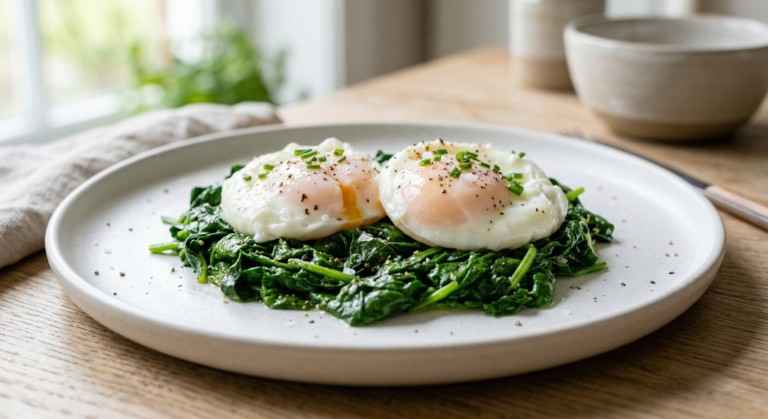
Every morning begins stronger when protein intake reaches 25 to 30 grams. Blood glucose stays steadier because of this early choice. Toast alone gives way to better options – try eggs cooked with leafy greens. Another path: unsweetened Greek yogurt scattered with seeds. Energy levels remain smoother until lunch arrives.
Lunch: Your Second Wind
Lunch shapes how well focus holds through the day. Instead of dense carbohydrate loads, choose a generous salad paired with either one full chicken breast or an entire can of tuna. This kind of combination delivers essential amino acids directly tied to mental clarity. Heavy meals often drag energy downward; this option avoids that dip entirely.
Evening Fuel for Overnight Repair
Evening meals work well with plant-derived proteins or trimmed animal options. Consider bulk – think leafy greens combined with something such as salmon, alternatively a broth filled with legumes. Fullness before sleep becomes easier this way.
Motion + Protein = Progress
Although nutrition forms the base of losing weight, movement shapes how protein functions within the body. Given sufficient quality protein alongside exercise, bodily systems apply these resources toward tissue recovery and resilience. Where fuel matters most at the start, motion guides its purpose later on.
A single trip to a fitness center does not guarantee change. Movement woven into daily life aligns better with routine demands. Our get moving philosophy is about finding movement that fits your schedule. A short stroll following midday meals, or simple exercises using only body weight at home – these moments of motion matter just the same. Activity throughout the day helps turn dietary protein into stronger, leaner tissues over time.
Protein And Weight Loss Misconceptions
Beginning a new path often brings certain misunderstandings into view. Clarifying them early helps maintain steady progress. Misinformation spreads easily when routines shift. A clearer picture emerges through consistent facts. The stubborn life of ‘common knowledge’. Replacing them happens gradually. Understanding grows best when details are examined one at a time. Truths take root where confusion once stood
Above normal intake of protein does not harm kidney function in those without preexisting conditions. When hydration levels remain consistent, the body manages increased amino acid breakdown efficiently. Still, balance matters even when systems operate well. Water supports metabolic clearance, especially under higher dietary demands. Safety depends on individual health status, yet excess rarely helps.
It is often believed that protein causes bulkiness in women – this idea lacks truth. Rather than adding size, it aids development of lean muscle tissue. The look people call “toned” comes from such muscle definition. Gaining significant mass demands far more food energy than usual. Heavy resistance training also must be part of the routine. Without these factors, noticeable bulking does not occur.
Protein needs do not require supplements. Contrary to belief, everyday items such as eggs, poultry, and legumes deliver ample amounts for the average person. Whole ingredients include essential micronutrients absent in powdered forms. Though convenient, processed options miss natural benefits found in meals. Nutrition comes complete when sourced from whole dishes.
Start Where You Are
Simple choices often support weight management well. Focusing on natural protein foods provides what the body needs to manage hunger, sustain fuel levels, over time. One step at a time, nutrition plays its part without confusion.
It might seem unnecessary to overhaul every habit at once. Begin instead with replacing a single snack – choose higher protein over lower, or try a new recipe from our Recipe Finder this week. Every small choice adds up to a big difference over time.
Your health can shift through each choice you make at the table. Deliciousness appears when attention guides the hand.
![What to Eat at Night to Lose Belly Fat [12 Sleep-Friendly Snacks]](https://www.goodfoodremedies.com/wp-content/uploads/2026/03/12-healthy-late-night-snacks-what-to-eat-at-night-to-lose-belly-fat.jpg-768x419.png)